Hair and Nails
 May 26, 2026 • 11:20 PM UTC
 United States
 140x Magnification
 Unknown
JMark
Learn about the author...
1posts
0comments
0locations
View in Media Gallery
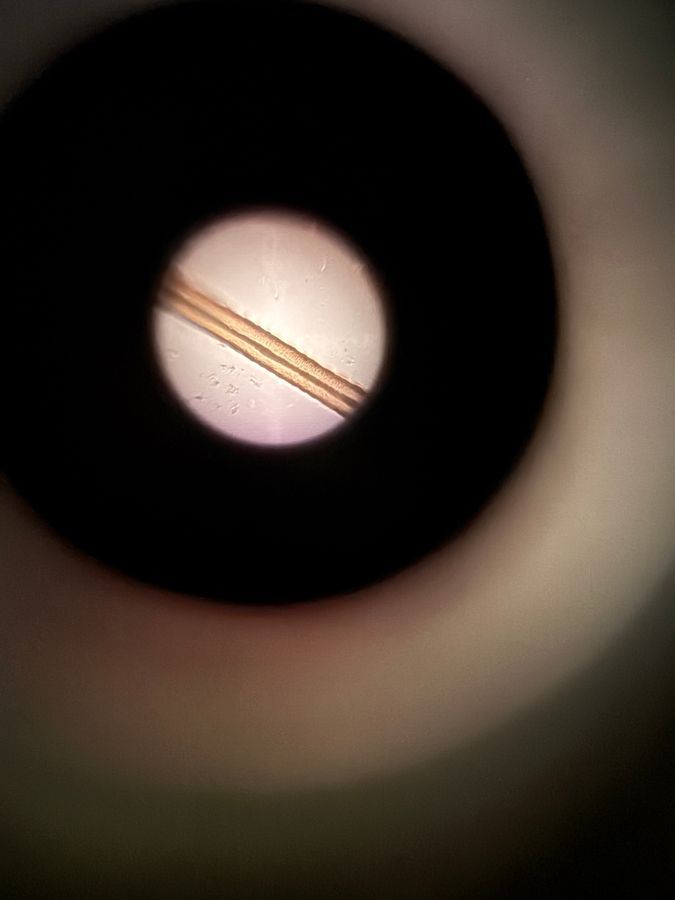
My 5th grade students used the Foldscope to examine strands of hair, fingernails, and the surface of their own skin. At first, many students thought these everyday items would look “normal” under magnification. The excitement in the room changed immediately once they placed a strand of hair under the Foldscope and noticed the texture, thickness, and patterns they had never seen before. Several students were amazed that different hair samples looked completely unique, leading to rich discussions about structure and function.
The biggest breakthrough came when students observed their fingernails and skin. One student exclaimed, “Our skin isn’t smooth at all!” after noticing ridges, tiny lines, and dry patches magnified through the Foldscope. Another student compared the layers of skin to “cracked desert land,” which sparked a deeper conversation about how skin protects the body and constantly changes. Students became highly engaged in asking questions, making observations, and comparing samples with classmates.
This activity was particularly successful because it transformed ordinary, familiar objects into something fascinating and scientific. The Foldscope gave students a hands-on opportunity to think and act like real scientists by observing, questioning, and analyzing evidence. It also strengthened their understanding that science exists in the world around them, not just in textbooks or labs.
The biggest breakthrough came when students observed their fingernails and skin. One student exclaimed, “Our skin isn’t smooth at all!” after noticing ridges, tiny lines, and dry patches magnified through the Foldscope. Another student compared the layers of skin to “cracked desert land,” which sparked a deeper conversation about how skin protects the body and constantly changes. Students became highly engaged in asking questions, making observations, and comparing samples with classmates.
This activity was particularly successful because it transformed ordinary, familiar objects into something fascinating and scientific. The Foldscope gave students a hands-on opportunity to think and act like real scientists by observing, questioning, and analyzing evidence. It also strengthened their understanding that science exists in the world around them, not just in textbooks or labs.


Sign in to commentNobody has commented yet... Share your thoughts with the author and start the discussion!
More Posts from JMark
No more posts from this author.