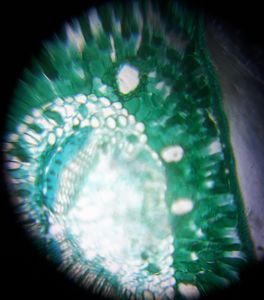
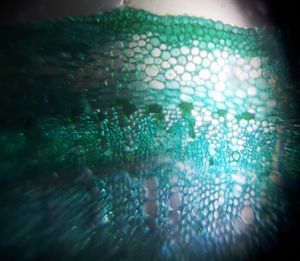
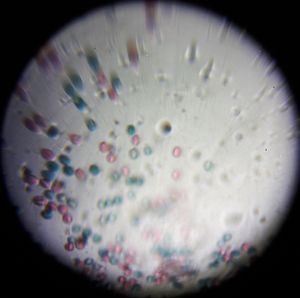
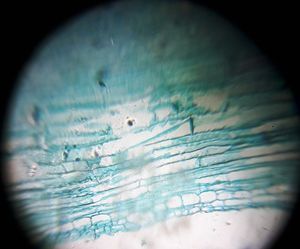
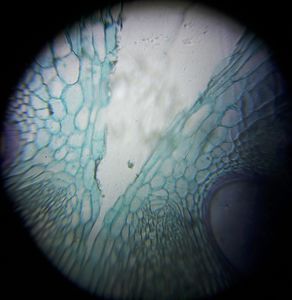
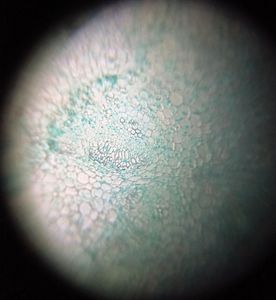
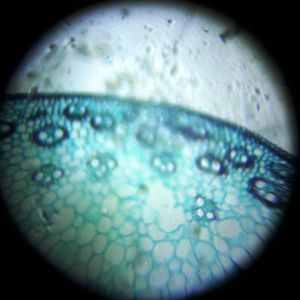
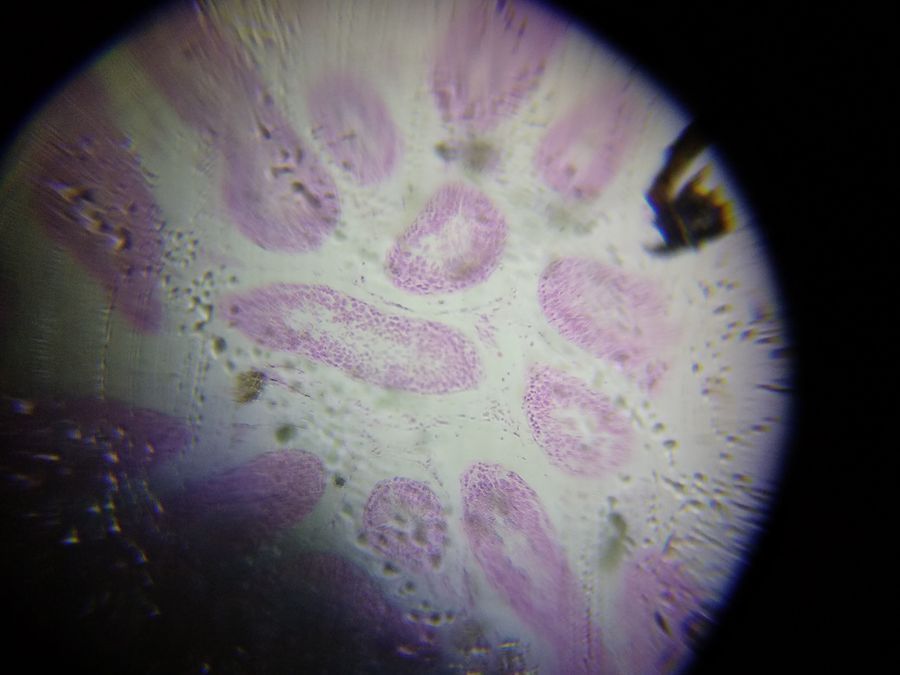
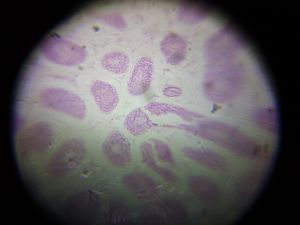
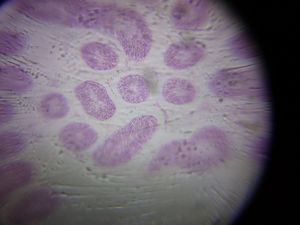
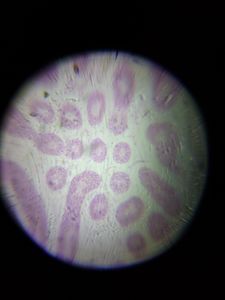
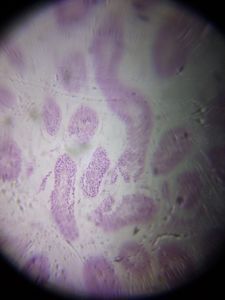
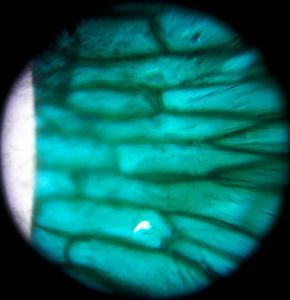
Testis
 Aug 17, 2019 • 9:12 PM UTC
 Unknown Location
 140x Magnification
 Unknown
Pranay Pankaj
Dr. Pranay Punj Pankaj has got his training at BHU Varanasi, IIT Kanpur, IIT Kharagpur and NIMR (ICMR), New Delhi. He has qualified GATE with above 99 percentile and UGC-NET/JRF/SRF. He has been awarded by BHU Botanical Society, Varanasi for standing first in the essay writing competition, Mahavir Cancer Research institute, Patna for standing first in quiz competition in National Symposium (2010), International Society for Ecological Communications for Young Scientist Award (2009), ZSI for Young Scientist Award (2009) and M.S.E.T & I.C.C.B for Young Scientist Gold Medal Award (2010). He has also been awarded with prestigious Early Career Research (ECR) Award 2017 from DST-SERB, GoI. He is a fellow of Society of Applied Biotechnology, India (FSAB), Society of Life Sciences, Satna, India (FSLSc). He has published more than 20 research papers in national and international journals. Presently, he is an Assistant Professor at Nagaland University, Lumami, India.
 0 Applause
 0 Comments