Seagrass & Algae
 Mar 23, 2018 • 2:23 AM UTC
 Unknown Location
 140x Magnification
 Microorganisms
Kimberley Gervereau
Learn about the author...
5posts
8comments
1locations
View in Media Gallery
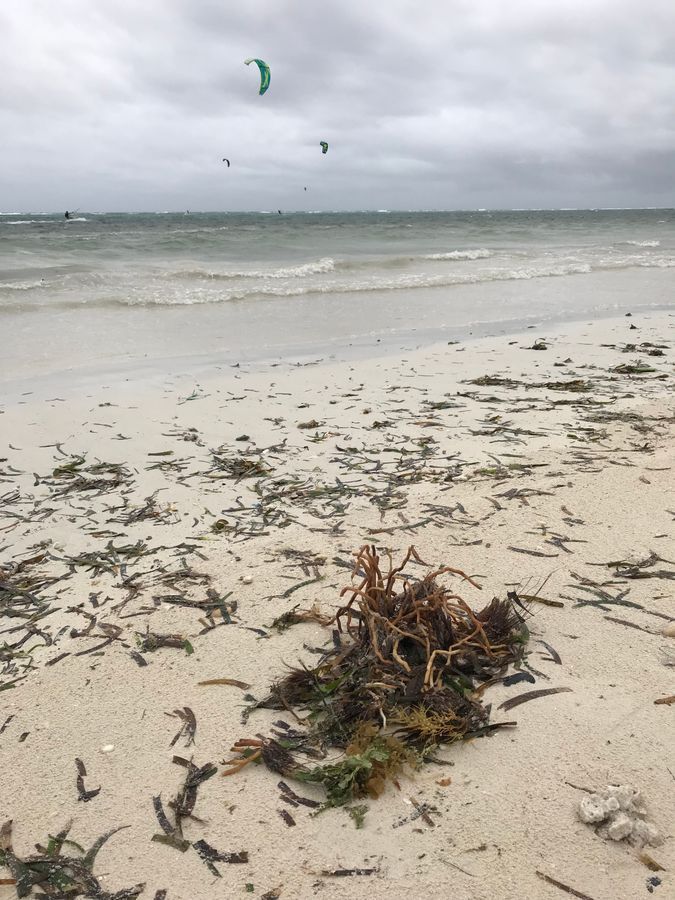
The waves washed up a lot of seagrass and algae on Bulabog Beach, Boracay, Philippines on a recent stormy day. I collected a few samples to prepare for marine biology classes with Foldscopes.
View in Media Gallery
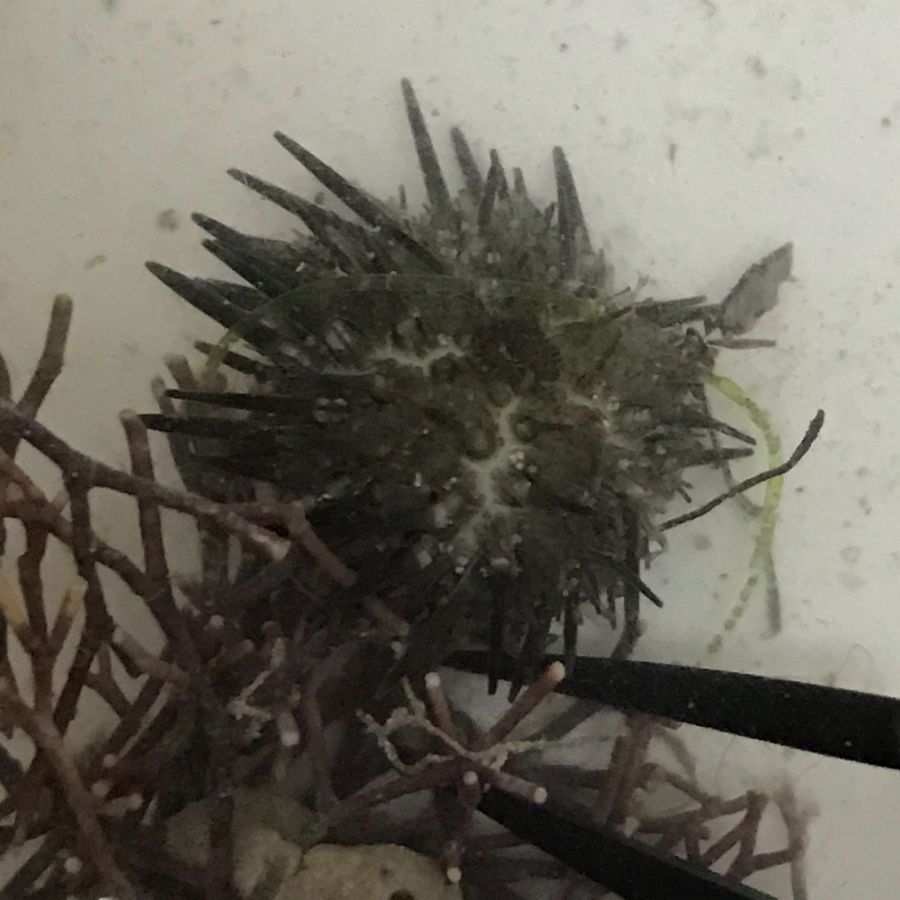
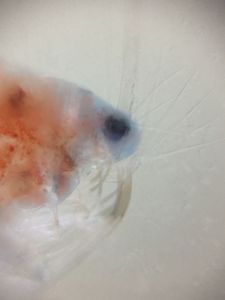
I first examined the specimens for hitchhikers like this juvenile sea urchin and returned them to the sea.
There were two seagrasses for comparison. The leave, vein, and cell structures are distinctly different between the two varieties. Students can also easily observe the differences between the green portion of the leaf and the white base of the leaf. The cells in the rhizome are also different in form and some seem to be specialized for developing roots.
There were two seagrasses for comparison. The leave, vein, and cell structures are distinctly different between the two varieties. Students can also easily observe the differences between the green portion of the leaf and the white base of the leaf. The cells in the rhizome are also different in form and some seem to be specialized for developing roots.

View in Media Gallery
Halophilia sp.
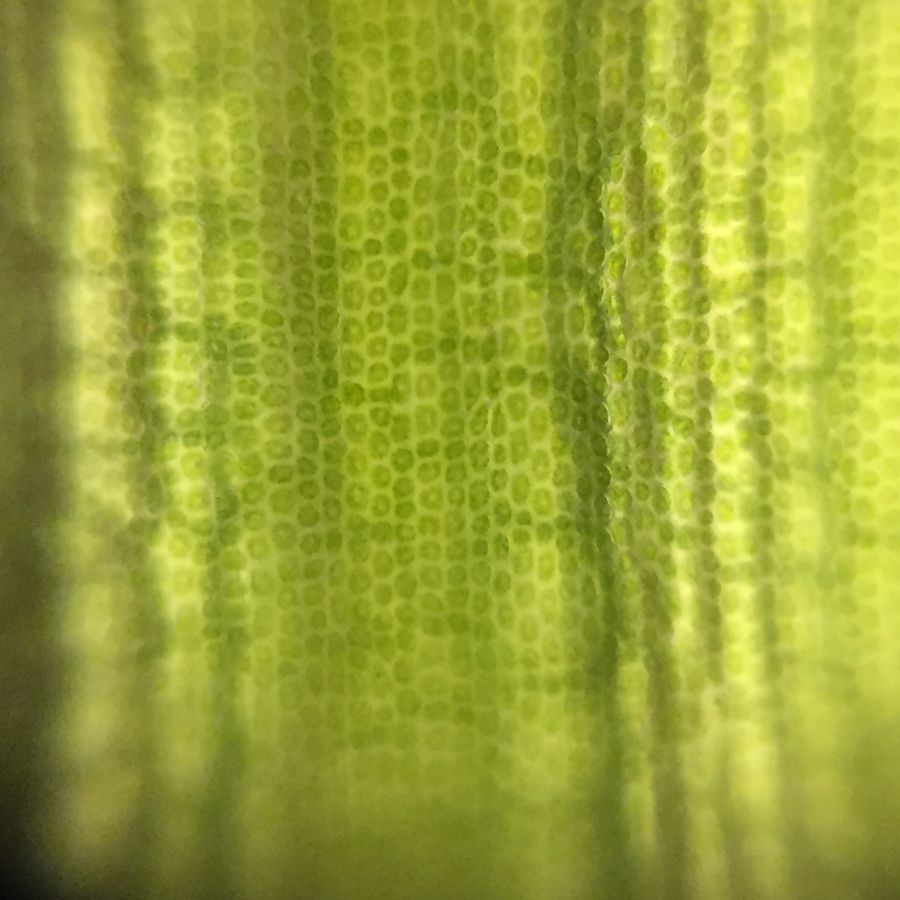
View in Media Gallery
Enhalus sp.
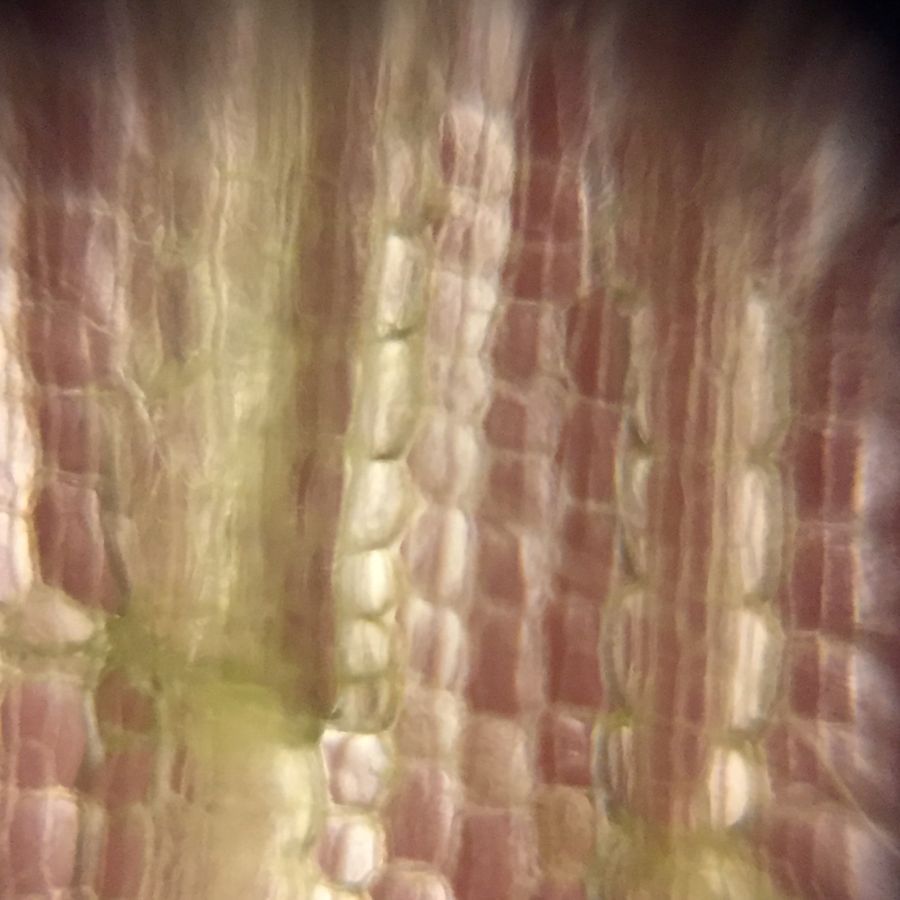
View in Media Gallery
Enhalus sp. – white part of leaf

View in Media Gallery
Rhizome of Enhalus sp. I also had the good luck to have a brown (Phyaeophyta), two green (Chlorophyta), and a red (Rhodaphyta) algae in my collection from the beach. The variations among them offer good practice to prepare slides. The calcarious algae are more difficult to view because of the thickness of the structure.
Both seagrasses and algae provide a good opportunity to discuss their ecological role in CO2 uptake, the fish and other marine animal that depend on them as food source, and the negative impacts of pollutants and development.
I will have more to post soon after we have some real-life experience working with school groups.
Both seagrasses and algae provide a good opportunity to discuss their ecological role in CO2 uptake, the fish and other marine animal that depend on them as food source, and the negative impacts of pollutants and development.
I will have more to post soon after we have some real-life experience working with school groups.

View in Media Gallery
Sargassum sp. viewed with the magnifier
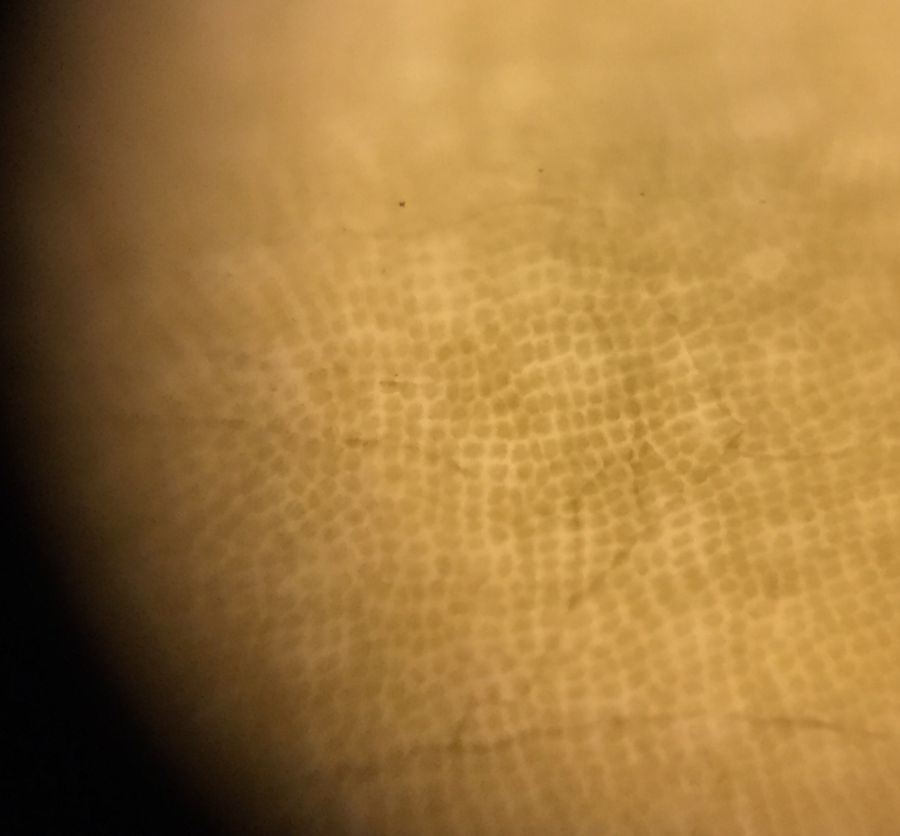
View in Media Gallery
Sargassum sp.
View in Media Gallery
Halimeda sp. – a calcarious green algae – most of the green cells have worn off exposing the calcarious skeleton.

View in Media Gallery
Unidentified strand of green algae

View in Media Gallery
Branch of Dichtomaria sp. – a calcarious red algae
Sign in to commentNobody has commented yet... Share your thoughts with the author and start the discussion!
 0 Applause
 0 Comments