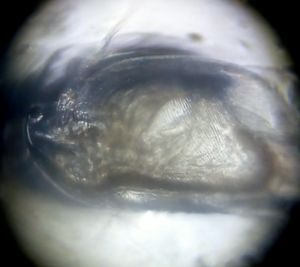
Capturing the Amphipod through foldscopy and sensitization of coastal fishermen.
 Dec 04, 2018 • 1:57 AM UTC
 Unknown Location
 140x Magnification
 Microorganisms
Gurdeep Rastogi
Learn about the author...
51posts
8comments
1locations
View in Media Gallery
Chilika a brackish water coastal lagoon is well known for its rich fishery resources. The lagoon is a life line for the economic and nutritional security to 0.2 million fishermen who are dependent on this renewable bio resource. The rich fishery resource of Chilika eventually depends on many small animals that directly or indirectly play role in sustaining the productivity of the lagoon Amphipods is one such example, these crustaceans serve as an important food source of many fishes, birds and invertebrates. Amphipod consumes algae and many small crustaceans and acts as detritivore.
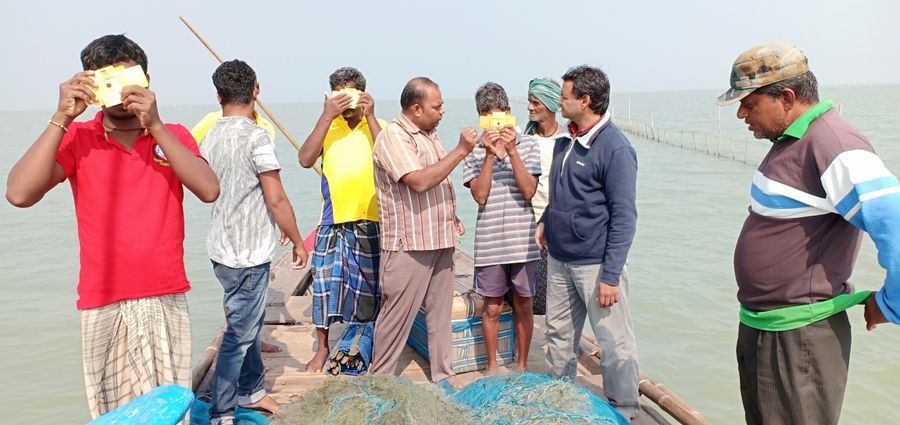
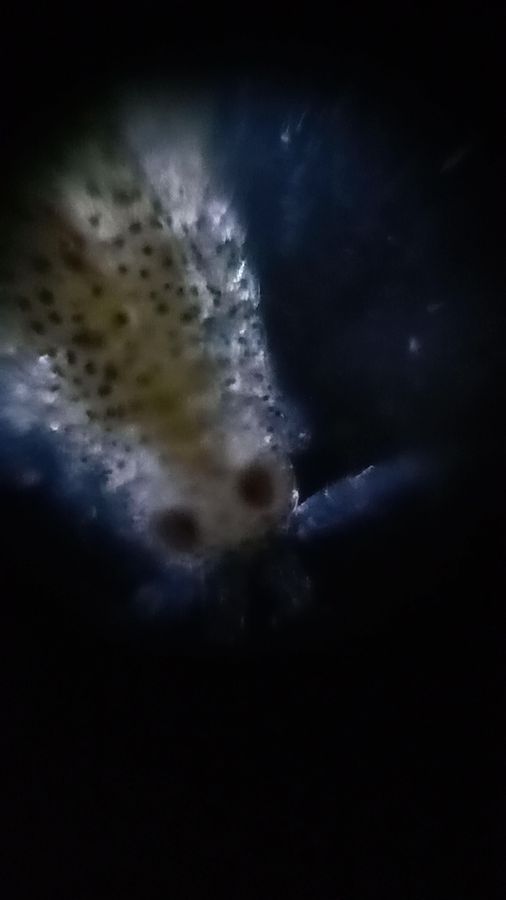
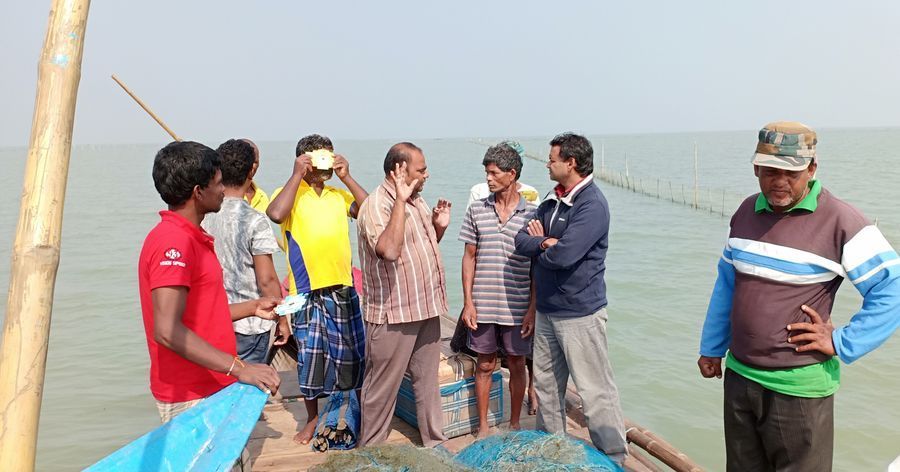
During plankton sampling from Chilika Lagoon, we used onboard foldscopy to sensitize fisherman about amphipods and their role in supporting the catches of fisherman and overall functioning of the Chilika. Amphipods samples captured using plankton net were mounted on boat and foldscopy was carried out on site. We were able to capture the live movement of an amphipod and were able to show it to fishermen community. Foldscopy proved to be an excellent portable microscope for onboard demonstration of crustaceans to the resource users who do not appreciate these tiny forms simply because they cannot see them, directly
During plankton sampling from Chilika Lagoon, we used onboard foldscopy to sensitize fisherman about amphipods and their role in supporting the catches of fisherman and overall functioning of the Chilika. Amphipods samples captured using plankton net were mounted on boat and foldscopy was carried out on site. We were able to capture the live movement of an amphipod and were able to show it to fishermen community. Foldscopy proved to be an excellent portable microscope for onboard demonstration of crustaceans to the resource users who do not appreciate these tiny forms simply because they cannot see them, directly
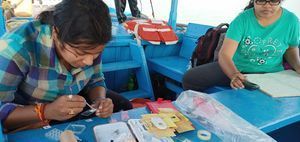
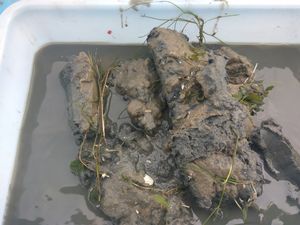
Preparation of slides to observe under foldscope.
View in Media Gallery
Amphipod under foldscope.

The fishermen being explained about foldscope and amphipods.
View in Media Gallery
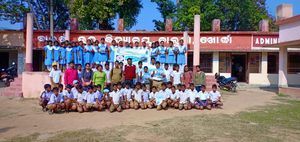
Explaining the importance of Foldscope and parasitic amphipods.
Sign in to commentNobody has commented yet... Share your thoughts with the author and start the discussion!

 0 Applause
 0 Comments