MtA_BIOL2201_2026
 Apr 03, 2026 • 6:44 AM UTC
 Canada
 140x Magnification
 Information
Mariam Shamsi
Learn about the author...
2posts
0comments
0locations
View in Media Gallery
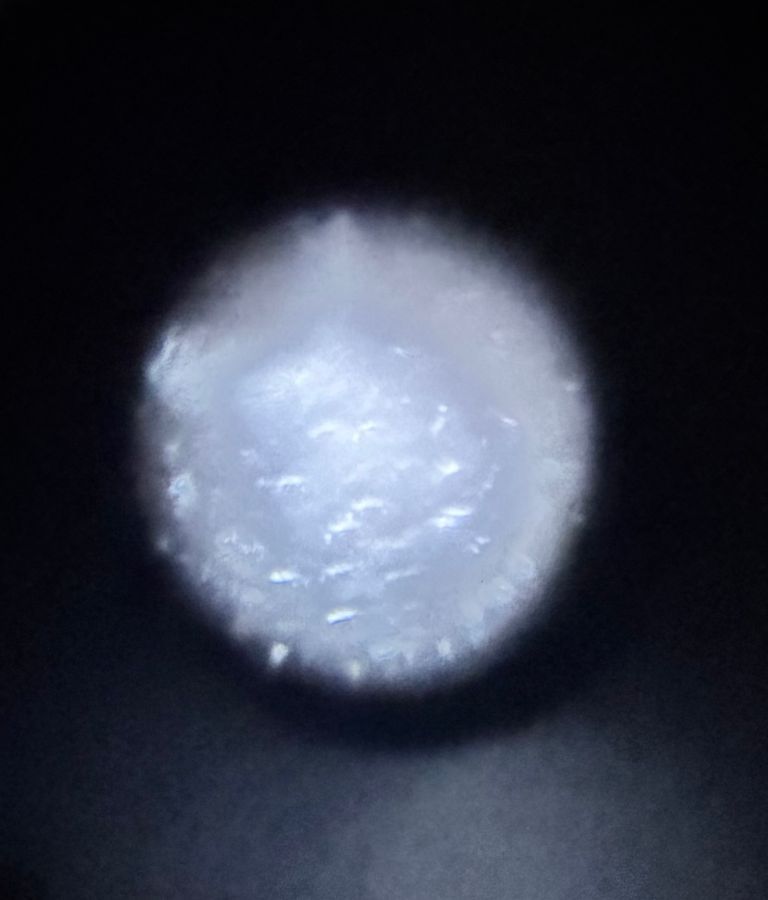
I examined a small sample of dough under my Foldscope microscope, and it was fascinating to see its structure up close. This dough was made from wheat flour, kneaded with water, and a bit of salt—just like the one I usually use to make bread.
Under the microscope (around 140x magnification), the dough appeared as a soft, cloudy mass with uneven textures. I could see dense regions where the flour and water had combined more thoroughly, along with lighter, smoother areas that reflected how the dough had been kneaded. The structure looked slightly elastic and compact, which makes sense because kneading develops gluten a network that gives the dough its stretchiness.
Seeing this made me appreciate the science behind everyday foods like bread, where something as basic as flour, water, and salt creates a complex and functional material.
Under the microscope (around 140x magnification), the dough appeared as a soft, cloudy mass with uneven textures. I could see dense regions where the flour and water had combined more thoroughly, along with lighter, smoother areas that reflected how the dough had been kneaded. The structure looked slightly elastic and compact, which makes sense because kneading develops gluten a network that gives the dough its stretchiness.
Seeing this made me appreciate the science behind everyday foods like bread, where something as basic as flour, water, and salt creates a complex and functional material.

View in Media Gallery
This is the kind of bread I make with the dough that we usually eat in our everyday meal
Sign in to commentNobody has commented yet... Share your thoughts with the author and start the discussion!

 0 Applause
 0 Comments