Every Pollen Grain is Unique
 May 20, 2026 • 6:47 PM UTC
 India
India 140x Magnification
 Unknown
Kasvi Rao
Learn about the author...
3posts
0comments
0locations
View in Media Gallery
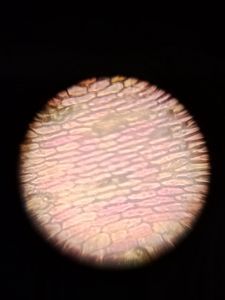
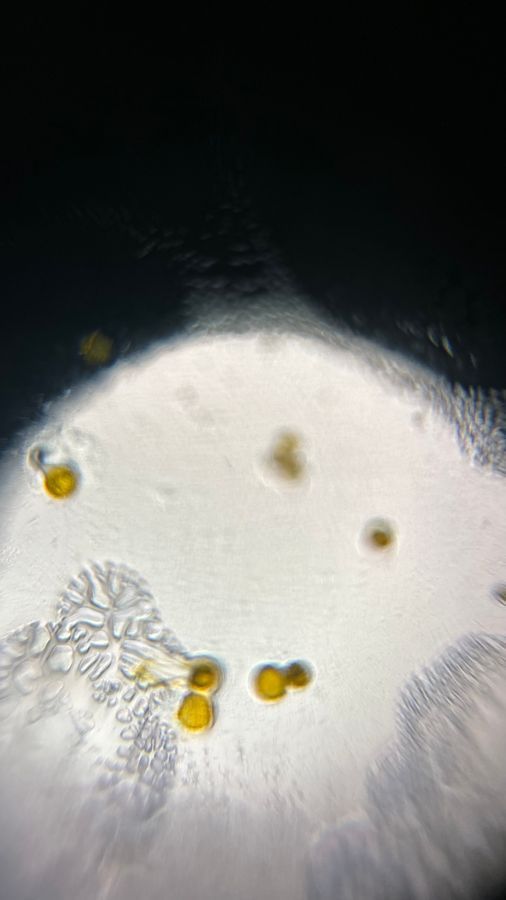
Today, I observed hibiscus, sunflower, and pomegranate cells using the Foldscope at Ashoka University during the LGAUP course. It was a wonderful and surprising experience for me because every sample looked different and unique under the Foldscope.
Before this activity, I used to think that all pollen grains looked the same. But after observing them closely, I discovered that every pollen grain has a different shape, size, color, and pattern. This made me realize how diverse and unique nature is, even in the tiniest things that we normally cannot see with our eyes.
The hibiscus pollen looked very delicate, while the sunflower and pomegranate samples had their own distinct structures and colors. Observing these differences made the activity even more exciting and interesting.
One difficult part was preparing the slides correctly. Sometimes the sample became too thick or moved while placing the cover slip, which made observation difficult. After a few attempts, I was able to prepare clearer slides and observe the cells properly.
Using the Foldscope has made science more practical, enjoyable, and full of discoveries for me. I am thankful to Anupama ma’am for guiding us so patiently and making every session fun and interactive.
Before this activity, I used to think that all pollen grains looked the same. But after observing them closely, I discovered that every pollen grain has a different shape, size, color, and pattern. This made me realize how diverse and unique nature is, even in the tiniest things that we normally cannot see with our eyes.
The hibiscus pollen looked very delicate, while the sunflower and pomegranate samples had their own distinct structures and colors. Observing these differences made the activity even more exciting and interesting.
One difficult part was preparing the slides correctly. Sometimes the sample became too thick or moved while placing the cover slip, which made observation difficult. After a few attempts, I was able to prepare clearer slides and observe the cells properly.
Using the Foldscope has made science more practical, enjoyable, and full of discoveries for me. I am thankful to Anupama ma’am for guiding us so patiently and making every session fun and interactive.


Sign in to commentNobody has commented yet... Share your thoughts with the author and start the discussion!
 0 Applause
 0 Comments