Foldscope, Tardigrade and The Himalayas Part 07
 Dec 04, 2018 • 6:54 AM UTC
 Unknown Location
 140x Magnification
 Microorganisms
Yashas Devasurmutt
Biotechnologist|Photographer|Tardigrade Hunter|Musician|Gamer My Research Interests are Astrobiology, Nanobiotechnology and Artificial Intelligence.
13posts
70comments
3locations
View in Media Gallery
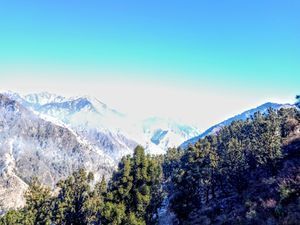
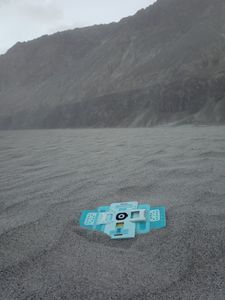
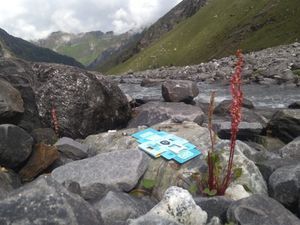
Hey folks, here’s a post about my journey in the Himalayas with Foldscope. Follow me on Twitter and Researchgate to know more.
Lets continue…
As I mentioned in my earlier post that we are done with the journey, in the subsequent posts I will be discussing about the methodologies to find them.
NOW!!! how does one find a tardigrade?? (water bear)
1. Tardigrades are usually found in moss or lichens.
2. Collect a clump of moss or lichen (dry or wet) and place in a shallow dish, such as a Petri dish.
3. Soak in water (preferably Distilled water, bottled spring water, bottled mineral water or fresh rain water) for 3-24 hours. Tap water is harmful because the water will be chlorinated.
4. While soaking make sure the samples are completely soaked, remove and discard it after they’re soaked.
5. Use a micropipette or a small dropper to transfer the water to a cavity slide. Use a Foldscope to observe and find a Tardigrade.
Lets continue…
As I mentioned in my earlier post that we are done with the journey, in the subsequent posts I will be discussing about the methodologies to find them.
NOW!!! how does one find a tardigrade?? (water bear)
1. Tardigrades are usually found in moss or lichens.
2. Collect a clump of moss or lichen (dry or wet) and place in a shallow dish, such as a Petri dish.
3. Soak in water (preferably Distilled water, bottled spring water, bottled mineral water or fresh rain water) for 3-24 hours. Tap water is harmful because the water will be chlorinated.
4. While soaking make sure the samples are completely soaked, remove and discard it after they’re soaked.
5. Use a micropipette or a small dropper to transfer the water to a cavity slide. Use a Foldscope to observe and find a Tardigrade.
View in Media Gallery
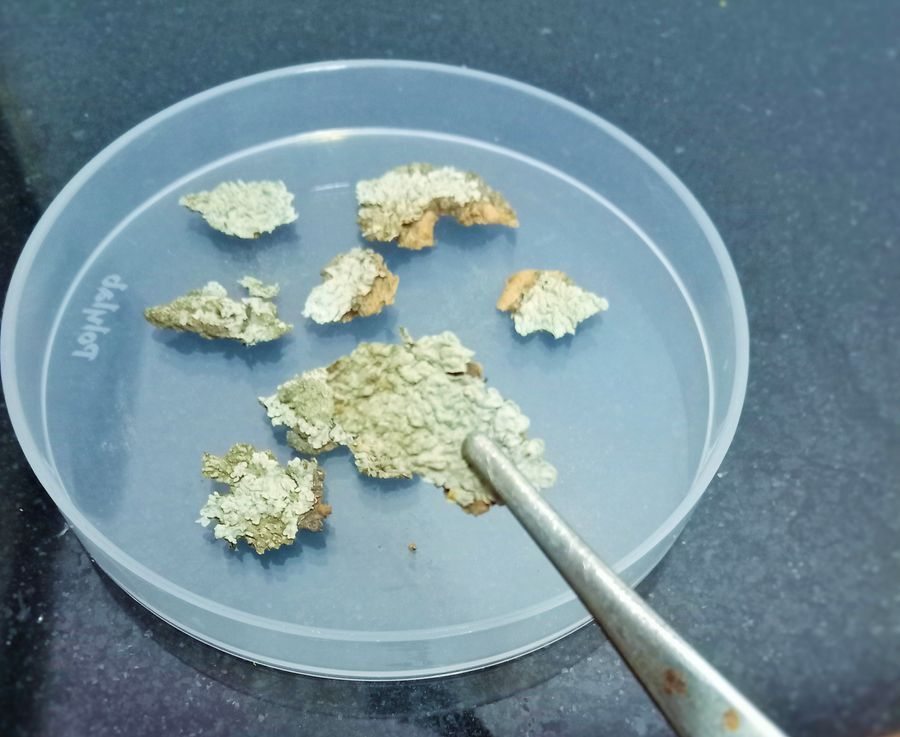
Lichen Samples inside a Petri dish
View in Media Gallery
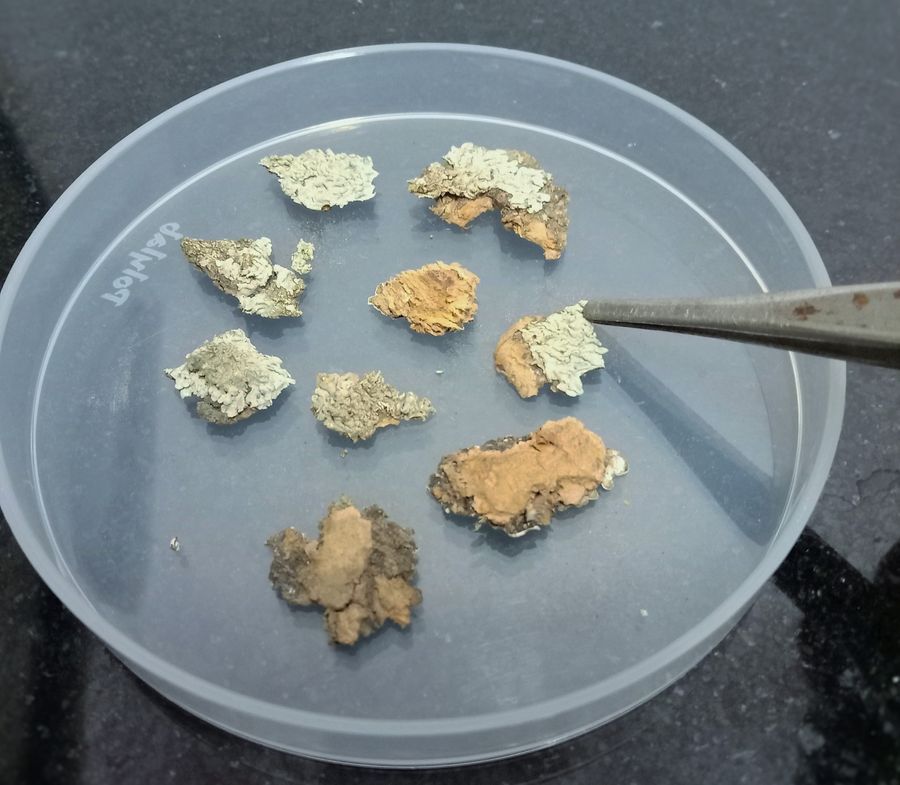
Invert the lichen sample so more of the surface is available for soaking.
View in Media Gallery
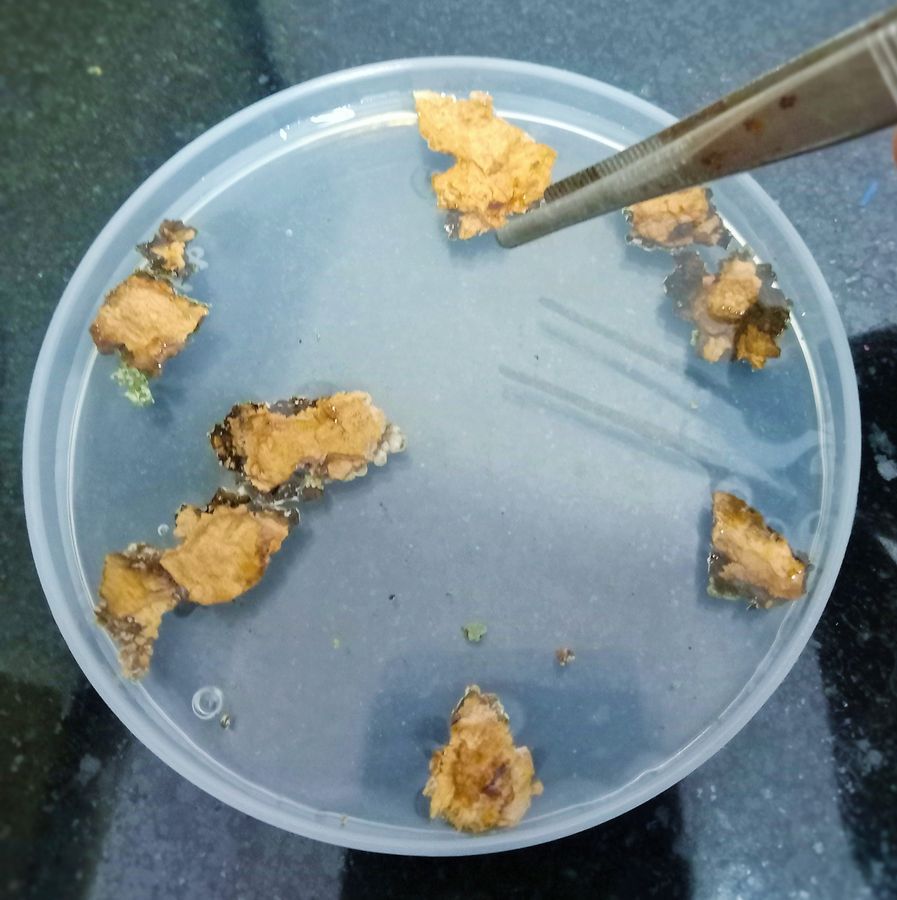
Lichen soaked in Distilled water Found these guys in separate samples collected from the Himalayas
View in Media Gallery
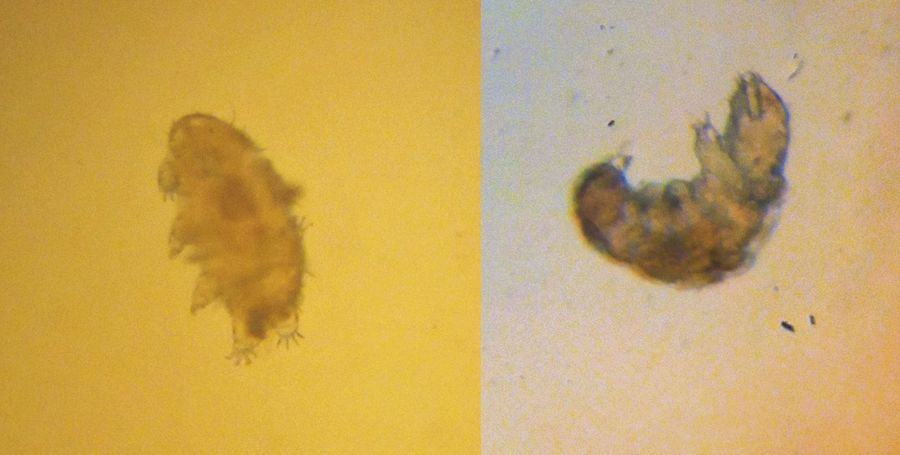
Right – Heterotardigrada; Left – Eutardigrada
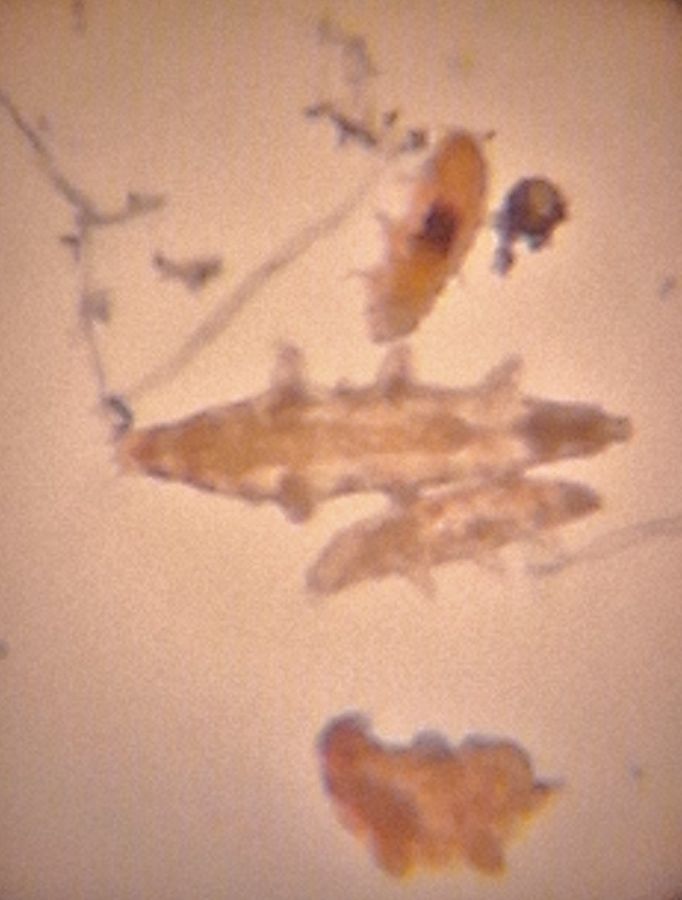
A few Tardigrades under a single frame. These were all transferred from different samples into a single cavity slide with few drops of water from the dish.
A few Tardigrades under a single frame. These were all transferred from different samples into a single cavity slide with few drops of water from the dish.
View in Media Gallery
Sign in to commentNobody has commented yet... Share your thoughts with the author and start the discussion!

 0 Applause
 0 Comments