Introduction to Emotions and Nature Connectedness
 Sep 27, 2025 • 9:18 AM UTC
 India
India 140x Magnification
 Workshops and Events
_300x300.jpeg)
Sonali Kadam
Learn about the author...
5posts
0comments
2locations

View in Media Gallery
In Dharavi, where daily survival often leaves little room for self-reflection, we discovered that a single petal under a microscope could open a world of emotions.
View in Media Gallery
In my teen years, whenever I felt overwhelmed or upset, I would run toward the ocean and sit there for the whole day. The sound of the waves always calmed me down, and the endless sky gave me hope to keep going. But it’s not easy for everyone in Dharavi, or for people from other slums, to take refuge in nature. They still face daily challenges and carry on.
It is not easy to “just carry on.” Many individuals silently endure anxiety, depression, or trauma, with symptoms that often go unrecognized and affect academic and overall life. In Dharavi, we observed noticeable changes among young people with the rise of social media and compulsive scrolling. Teachers we interviewed from local school reported increases in behavioural disturbances, disengagement, and even involvement in crime among students. These observations are consistent with research linking problematic social media use to higher levels of depression, anxiety, and stress among adolescents and young adults (Shannon et al., 2022).
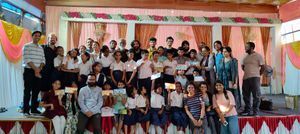
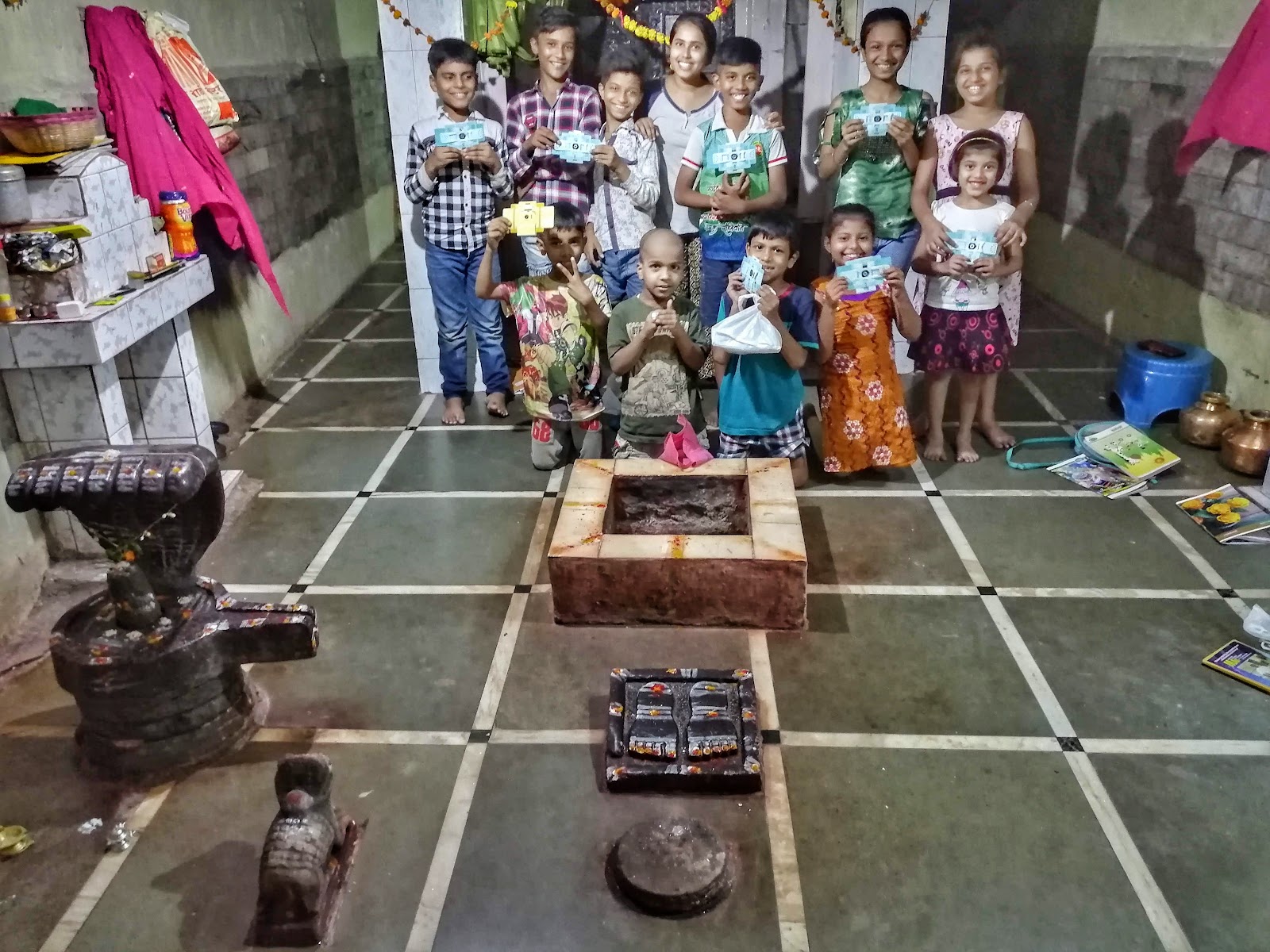
So, Kunal and I started an initiative, GullyWell, to introduce students in Dharavi slums, who are struggling just as we once did, to Social and Emotional Learning (SEL) and to share tools that can help them cope with daily challenges. A few months ago, we conducted our first pilot workshop, titled “Seeing the Unseen: An Introduction to Emotions and Nature Connectedness,” at the same school where we had studied, ensuring contextual familiarity and trust with the participants.
For this, we used a mix of storytelling, theatre-based tools, experiential learning, and the Foldscope.
We designed the workshop in four phases:
1. Icebreaker Activity – We played the “Freeze Emotions” game to explore their vocabulary of emotions. Most of the children portrayed sadness, happiness, and surprise with their bodies.
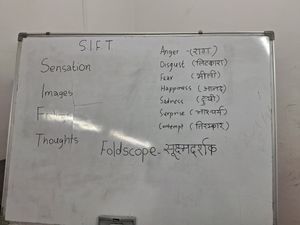
2. Story Time – We told them a story of a girl from Dharavi to introduce them to seven basic emotions, based on psychologist Paul Ekman’s research on universal emotions, and expand their emotional vocabulary.
It is not easy to “just carry on.” Many individuals silently endure anxiety, depression, or trauma, with symptoms that often go unrecognized and affect academic and overall life. In Dharavi, we observed noticeable changes among young people with the rise of social media and compulsive scrolling. Teachers we interviewed from local school reported increases in behavioural disturbances, disengagement, and even involvement in crime among students. These observations are consistent with research linking problematic social media use to higher levels of depression, anxiety, and stress among adolescents and young adults (Shannon et al., 2022).
So, Kunal and I started an initiative, GullyWell, to introduce students in Dharavi slums, who are struggling just as we once did, to Social and Emotional Learning (SEL) and to share tools that can help them cope with daily challenges. A few months ago, we conducted our first pilot workshop, titled “Seeing the Unseen: An Introduction to Emotions and Nature Connectedness,” at the same school where we had studied, ensuring contextual familiarity and trust with the participants.
For this, we used a mix of storytelling, theatre-based tools, experiential learning, and the Foldscope.
We designed the workshop in four phases:
1. Icebreaker Activity – We played the “Freeze Emotions” game to explore their vocabulary of emotions. Most of the children portrayed sadness, happiness, and surprise with their bodies.
2. Story Time – We told them a story of a girl from Dharavi to introduce them to seven basic emotions, based on psychologist Paul Ekman’s research on universal emotions, and expand their emotional vocabulary.

View in Media Gallery
3. Zooming In and Out –
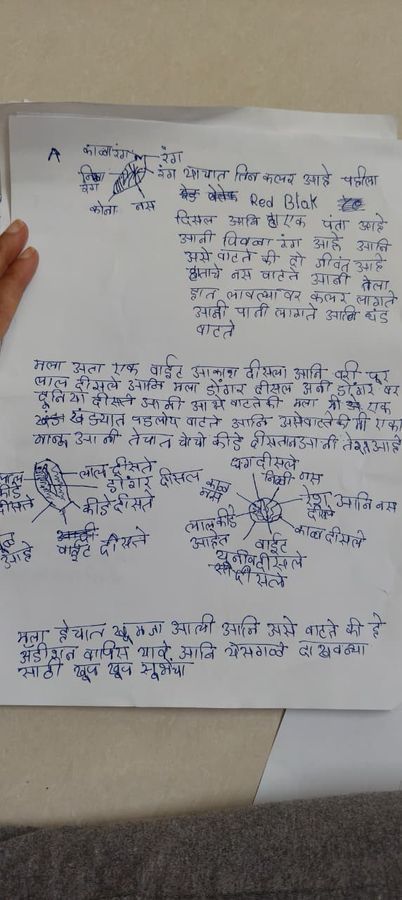
We divided them into four groups of 4 to 5 children. Each group observed a mounted slide with and without the Foldscope. We asked them to write what they saw and how they felt.
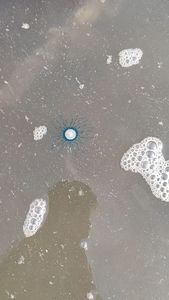
At first, most students said they couldn’t see anything. Later, they noticed intricate details on a petal and saw many pollen grains. We then asked them to present their findings.
We guided them through an SIFT (Sensations, Images, Feelings, Thoughts) activity. With eyes closed, they noticed bodily sensations, identified feelings, and associated images and thoughts with the lens of awareness to zoom in on their emotions.
We drew parallels between the Foldscope and SIFT, connecting them to emotions and feelings that may seem invisible at first, yet are detailed, important, and significant when seen through the lens of awareness.
We divided them into four groups of 4 to 5 children. Each group observed a mounted slide with and without the Foldscope. We asked them to write what they saw and how they felt.
At first, most students said they couldn’t see anything. Later, they noticed intricate details on a petal and saw many pollen grains. We then asked them to present their findings.
We guided them through an SIFT (Sensations, Images, Feelings, Thoughts) activity. With eyes closed, they noticed bodily sensations, identified feelings, and associated images and thoughts with the lens of awareness to zoom in on their emotions.
We drew parallels between the Foldscope and SIFT, connecting them to emotions and feelings that may seem invisible at first, yet are detailed, important, and significant when seen through the lens of awareness.


4. Grounding technique – We taught them a modified version of box breathing to use during moments of overwhelm.

View in Media Gallery
It was just the beginning!
I was amazed by how deeply they connected with nature through just one sample. Many students wrote that they saw rivers and mountains; some said they felt the coolness of the sample; others connected the colorless part of a leaf under the microscope to the sky. Some related the dark parts of the petals to a deep, dark well.
Their responses were surprising and inspiring.
In slums, nature may be scarce, but with the right tools, even a petal can become a refuge!
I was amazed by how deeply they connected with nature through just one sample. Many students wrote that they saw rivers and mountains; some said they felt the coolness of the sample; others connected the colorless part of a leaf under the microscope to the sky. Some related the dark parts of the petals to a deep, dark well.
Their responses were surprising and inspiring.
In slums, nature may be scarce, but with the right tools, even a petal can become a refuge!
View in Media Gallery
Through the Foldscope, I felt I was able to bring them a small piece of nature that they can access anytime and take shelter during moments of overwhelm.
Sign in to commentNobody has commented yet... Share your thoughts with the author and start the discussion!
 0 Applause
 0 Comments