LGP26-B3: The discovery of the Potato Flesh🥔
 Jun 05, 2026 • 11:30 AM UTC
 India
India 340x Magnification
 Plants
Aarna
Learn about the author...
5posts
0comments
0locations

View in Media Gallery
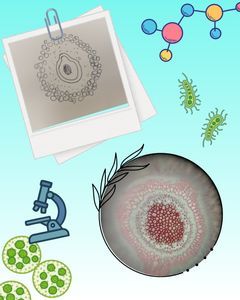
After exploring the potato peel, I moved on to the potato flesh. I expected boring plant cells. Instead, I found what looked suspiciously like a microscopic map of the world.

View in Media Gallery
At 50X magnification: The slide looked like tiny continents floating around. There were air bubbles everywhere, and the translucent cells seemed to be either hanging out in groups or avoiding each other.
At 140X magnification: the cells became much clearer—but so did the air bubbles. Unfortunately, the bubbles looked a lot like the cells. It felt less like science and more like a treasure hunt.
At 340X magnification: Things finally got exciting. The cells became much larger, and I could even make out some internal structures, including the nucleus. After spending so much time chasing fake cells (air bubbles), finding the real thing felt like winning a jackpot.
At 140X magnification: the cells became much clearer—but so did the air bubbles. Unfortunately, the bubbles looked a lot like the cells. It felt less like science and more like a treasure hunt.
At 340X magnification: Things finally got exciting. The cells became much larger, and I could even make out some internal structures, including the nucleus. After spending so much time chasing fake cells (air bubbles), finding the real thing felt like winning a jackpot.

View in Media Gallery
In conclusion , the potato flesh slide was full of surprises. From a tiny world map at 50X, to a bubble-filled treasure hunt at 140X, to spotting a nucleus at 340X, every magnification revealed something new.
Sign in to commentNobody has commented yet... Share your thoughts with the author and start the discussion!

 0 Applause
 0 Comments