DAY - 2 LGP 26 B2 : POTATO PULP
 May 27, 2026 • 7:47 PM UTC
 India
India 340x Magnification
 Plants
Vaibhavi Sahoo
Learn about the author...
7posts
0comments
0locations

View in Media Gallery
THE SPUD-TACULAR ADVENTURE
After viewing the potato peel, I was know analyzing the potato pulp under the foldscope. There was a new challenge that came with this, we had to smash the sample to make a slide because otherwise it would have been too thick for the light to pass through. How much to smash? How to clean the juices? How to clean the debris? So many new challenges but I made through it, some by myself and some with some help from others.
50X : THE BIG PICTURE
After viewing the potato peel, I was know analyzing the potato pulp under the foldscope. There was a new challenge that came with this, we had to smash the sample to make a slide because otherwise it would have been too thick for the light to pass through. How much to smash? How to clean the juices? How to clean the debris? So many new challenges but I made through it, some by myself and some with some help from others.
50X : THE BIG PICTURE


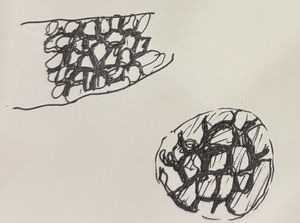
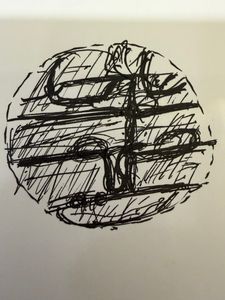
The potato looks like a vague, translucent, fibrous mess. It’s basically the all blurry. It reminds me of those "abstract art" paintings where you’re pretty sure you’re looking at something , but you don’t want to commit to saying what it is in case you look foolish in front of an art critic.
140x : THE BUBBLES
140x : THE BUBBLES


Things finally start to get interesting. The blobby texture gives way to distinct, oval-shaped particles. They look like a bunch of tiny, translucent jellybeans just hanging out in the cytoplasm.The potato is looking a lot less like a blob and a lot more like a high-tech storage facility. You can literally make out the bubbles.
340x : THE DETAILING
340x : THE DETAILING

View in Media Gallery
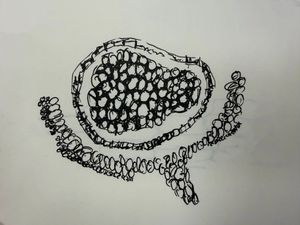
The detail is legit. Those jellybeans? They’re huge. You can even see the concentric rings inside them. I’m looking at these and realising I am staring at the potato’s high-density fuel reserves.
To get technical for a second, what we're seeing are amyloplasts . Think of these as the potato’s personal "power banks." The plant spends its life converting glucose into starch just so it can survive later. Exploring the microcosmos is a great way to realize that even the most mundane things in your kitchen have a secret, organized life of their own. It’s humbling, really.
Until next timeee !! Au revoirrr
To get technical for a second, what we're seeing are amyloplasts . Think of these as the potato’s personal "power banks." The plant spends its life converting glucose into starch just so it can survive later. Exploring the microcosmos is a great way to realize that even the most mundane things in your kitchen have a secret, organized life of their own. It’s humbling, really.
Until next timeee !! Au revoirrr
Sign in to commentNobody has commented yet... Share your thoughts with the author and start the discussion!

 0 Applause
 0 Comments
_300x300.jpeg)