DAY - 2 LGP 26 : POTATO PEEL
 May 26, 2026 • 6:49 PM UTC
 India
India 340x Magnification
 Plants
Vaibhavi Sahoo
Learn about the author...
7posts
0comments
0locations
View in Media Gallery
THE HIDDEN WAREHOUSE
After exploring the orderly, structural beauty of the onion, I decided to turn my Foldscope toward a much denser subject: the potato peel. While the onion cells looked like a city, the potato cells look more like a warehouse.
Here is what I found as I zoomed into this starch-filled world.
50x: THE ROUNDED LANDSCAPE
After exploring the orderly, structural beauty of the onion, I decided to turn my Foldscope toward a much denser subject: the potato peel. While the onion cells looked like a city, the potato cells look more like a warehouse.
Here is what I found as I zoomed into this starch-filled world.
50x: THE ROUNDED LANDSCAPE


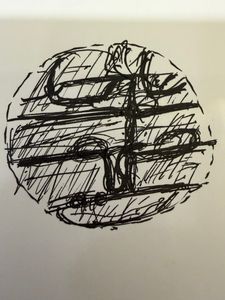
At 50x, the first thing I noticed is that potato cells are quite different from onion cells. Instead of perfectly rectangular bricks, these are rounded or irregular, roughly oval-shaped structures. They don’t form a rigid grid, instead, they look like a collection of packed, inflated balloons. This is because they are parenchyma cells , specifically designed to swell and store nutrients for the potato plant.
140x: THE STORAGE UNITS
140x: THE STORAGE UNITS


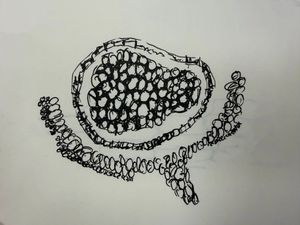
Zooming into 140x, the cellular boundaries become clearer, and the contents of the cells begin to emerge. We can see the distinct cell walls acting as the containers for the material inside. Unlike the transparent appearance of the onion cells, the interior of the potato cells looks textured and granular.
340x: THE AMYLOPLAST TREASURE
340x: THE AMYLOPLAST TREASURE


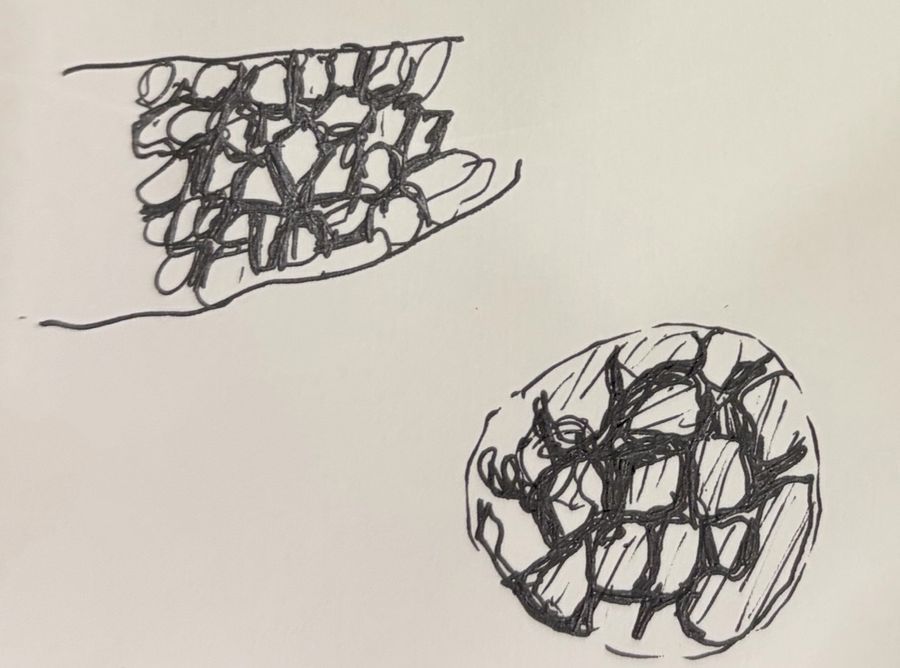
At 340x, we can now spot amyloplasts, specialised organelles that act as starch storage units. They appear as clusters of tiny oval structures packed tightly inside the cell. If we look very closely, we can even see subtle, concentric rings on the larger starch grains, which represent layers of starch deposition.
Comparing the onion to the potato has been fascinating. Where the onion uses its cells to build a protective, structural wall, the potato uses its cells as a massive, efficient warehouse for energy storage.
Even the preparation of slides was pretty different but nevertheless I learnt something new and exciting today.
Until next time !! Sayonaraaa
Comparing the onion to the potato has been fascinating. Where the onion uses its cells to build a protective, structural wall, the potato uses its cells as a massive, efficient warehouse for energy storage.
Even the preparation of slides was pretty different but nevertheless I learnt something new and exciting today.
Until next time !! Sayonaraaa
Sign in to commentNobody has commented yet... Share your thoughts with the author and start the discussion!

 0 Applause
 0 Comments
_300x300.jpeg)