LGP26 B-2 Potato Cells - Rahul
 May 28, 2026 • 6:58 AM UTC
 India
India 340x Magnification
 Plants
Rahul
Learn about the author...
6posts
0comments
0locations
View in Media Gallery
Hi everyone,
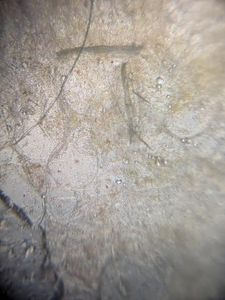
Today, I observed the potato starch and potato skin. First, I sampled the potato skin at 50x as you can see below.
Today, I observed the potato starch and potato skin. First, I sampled the potato skin at 50x as you can see below.

View in Media Gallery
The cells are very small and you are unable to see many internal cell details. However, you can notice the light-brownish color of the potato cells. The dark spot in the picture above can be noticed as potatoes have a varying color form light yellow to black. These potato skins parts are more dense, thus light cannot pass through it.

View in Media Gallery
This is the 140x magnification of the potato skin. The cells are much more visible. Also, you can notice that they do not contain a nucleus. This is because they have amyloplasts which are membrane-bounded organelle containing starch. The darker spots can still be viewed. There is no water disturbance as it was not smashed.
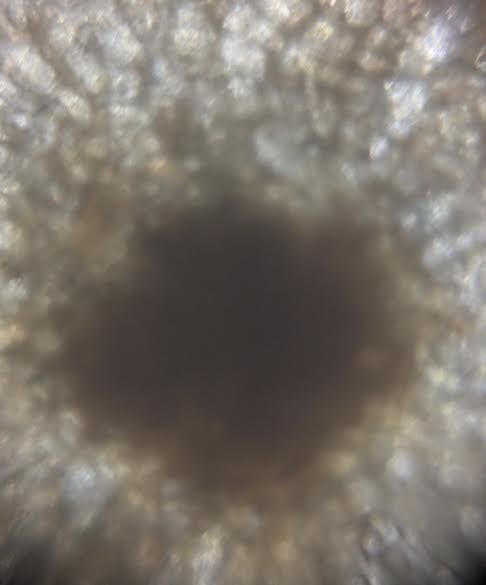
The 340x magnification gave a very blurry image, however, I have made some observations. There is much more clarity in the cell and the nucleus isn't visible due to previously mentioned reasons.
The 340x magnification gave a very blurry image, however, I have made some observations. There is much more clarity in the cell and the nucleus isn't visible due to previously mentioned reasons.

View in Media Gallery
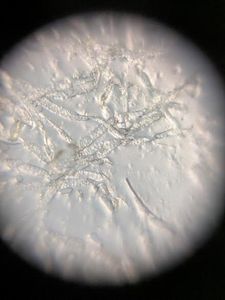
This is the potato cell which was taken by smashing the potato. This is due to the rough nature of the potato. This created water interference. The potato cells are very tiny and there are so many as you can see, thus it is quite difficult to observe a single cell.

View in Media Gallery
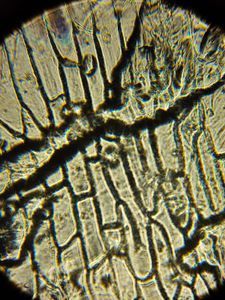
Above is the image for the potato starch at 140x magnification. Clearly, there are bigger and more clearer cells. Again, the nucleus is not visible. The slightly dark bits are caused by the even potato sample or water.
The 340x magnification was again unclear. But the cells were larger and so was the starch which was slightly dark. At this magnification, the water is not visible as it is more precise.
-Rahul
The 340x magnification was again unclear. But the cells were larger and so was the starch which was slightly dark. At this magnification, the water is not visible as it is more precise.
-Rahul
Sign in to commentNobody has commented yet... Share your thoughts with the author and start the discussion!
 0 Applause
 0 Comments