About Banana Blossom - Musa × Paradisiaca
 Mar 24, 2025 • 3:36 PM UTC
 Indonesia
 140x Magnification
 Plants
Foldscope Vietnam
Foldscope Vietnam is a non-governmental organisation with the goal of universalising science, inspiring exploration, and raising awareness of global issues for young people, regardless of all socio-economic background, through Foldscope activities. Our posts are collection of speciments from the Microcosmos Vietnam Community.
7posts
3comments
2locations
View in Media Gallery
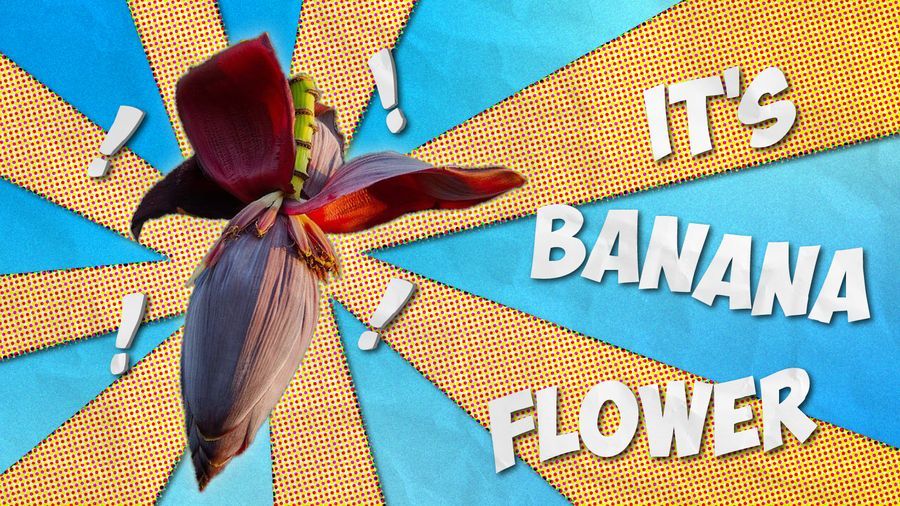
Naturally distributed in Southeast Asia and easily grown in tropical and subtropical regions, the banana blossom is well-known to many Vietnamese people, especially in the culinary world - particularly in fresh rolls. It can be considered one of the gems of Vietnamese cuisine. However, due to its preference for warm climates, it might be considered a luxury ingredient in regions with different weather, unlike in Vietnam, where it grows abundantly.
Introduction
Musa × Paradisiaca is a hybrid banana species derived from the combination of Musa acuminata (Wild banana) and Musa balbisiana (Seeded banana). Today, this banana variety is widely cultivated in Southeast Asian countries such as Vietnam, Malaysia, and Indonesia, as well as in Latin American countries like Ecuador and Mexico. As of 2024, the global banana production has exceeded 139 million tons, making it one of the most widely cultivated and consumed fruits worldwide.
Introduction
Musa × Paradisiaca is a hybrid banana species derived from the combination of Musa acuminata (Wild banana) and Musa balbisiana (Seeded banana). Today, this banana variety is widely cultivated in Southeast Asian countries such as Vietnam, Malaysia, and Indonesia, as well as in Latin American countries like Ecuador and Mexico. As of 2024, the global banana production has exceeded 139 million tons, making it one of the most widely cultivated and consumed fruits worldwide.
View in Media Gallery
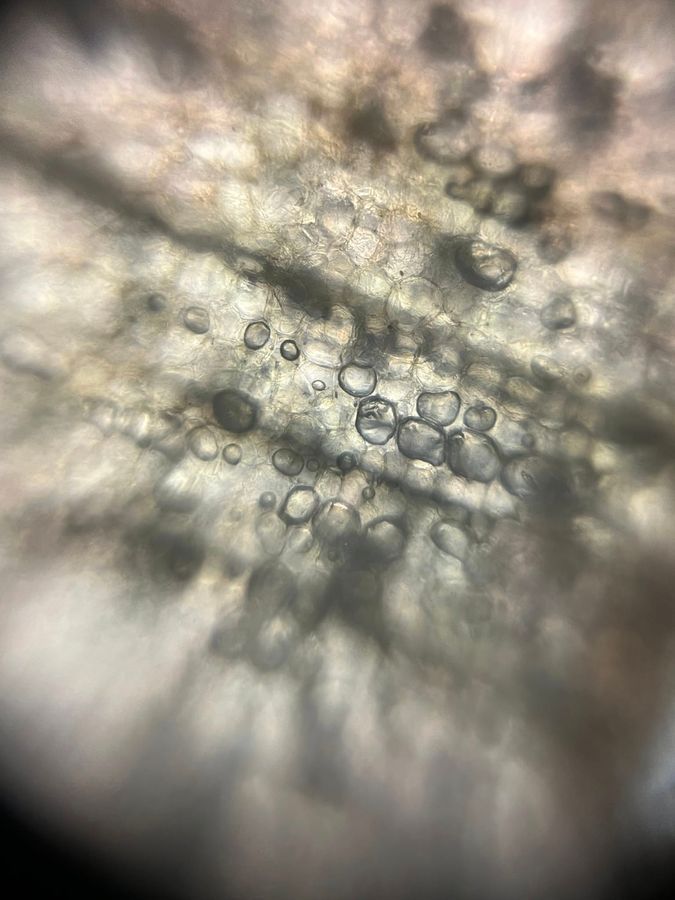
The banana plant is a herbaceous plant with a smooth, upright stem that typically grows between 1 to 2.5 meters in height. Its roots spread underground, forming numerous small branches. The banana leaves are large, elongated, and have prominent veins arranged in a feather-like pattern . The glossy green leaf surface is often covered in a thin layer of powder when young.
The banana flower consists of male, female, and hermaphroditic flowers. Among them: Female flowers develop into fruit; Hermaphroditic flowers fall off after the female flowers have fully developed; Male flowers do not produce fruit. The banana flower emerges from an underground rhizome and only appears after the final leaf has formed. Once the plant's growing tip stops producing leaves and starts forming a flower cluster, the flowering process begins. Interestingly, this process is not influenced by temperature or light cycles, meaning banana flowers can bloom at any time of the year in subtropical regions , making them highly adaptable.
The banana flower consists of male, female, and hermaphroditic flowers. Among them: Female flowers develop into fruit; Hermaphroditic flowers fall off after the female flowers have fully developed; Male flowers do not produce fruit. The banana flower emerges from an underground rhizome and only appears after the final leaf has formed. Once the plant's growing tip stops producing leaves and starts forming a flower cluster, the flowering process begins. Interestingly, this process is not influenced by temperature or light cycles, meaning banana flowers can bloom at any time of the year in subtropical regions , making them highly adaptable.

View in Media Gallery
The female flowers are the first to appear on the banana plant. In cultivated banana varieties, their ovaries can develop into fruit without pollination. Female flowers are arranged in two rows per cluster, forming banana hands. The number of banana hands depends on the plant’s genetic makeup and environmental conditions. Hermaphroditic flowers may appear between the female and male flowers but are sterile and usually fall off once the fruit begins to develop. Male flowers, found at the bottom of the banana bunch, are enclosed within bracts and are not present on all banana plants. This characteristic helps distinguish different banana varieties.
The banana fruit develops from female flowers and is arranged in two rows attached to the flower stalk. The number of female flowers in the meristem determines the number of hands and fruits per bunch. After flowering, banana fruits go through two main developmental stages:
Cell division phase: This occurs actively from six weeks before flowering until four weeks after fruit formation. Cell expansion phase: This happens rapidly from four to twelve weeks after fruit emergence, lasting until about the twelfth to fifteenth week.
Nutritional Content & Chemical Composition
Banana blossoms are not just an ingredient in Vietnamese cuisine by chance! Resembling a young lotus bud, this nutritious food is rich in antioxidants, minerals, fiber, and contains a small amount of protein . It is low in calories and fat while providing both soluble and insoluble fiber: Soluble fiber helps reduce cholesterol and regulate blood sugar levels. Insoluble fiber supports digestion, prevents constipation, and prolongs satiety. Additionally, banana blossoms are packed with essential minerals such as potassium, calcium, magnesium, iron, zinc , and copper . They also contain powerful antioxidants like quercetin, catechins, phenols, saponins , and tannins , which help combat aging and promote overall health.
The banana fruit develops from female flowers and is arranged in two rows attached to the flower stalk. The number of female flowers in the meristem determines the number of hands and fruits per bunch. After flowering, banana fruits go through two main developmental stages:
Cell division phase: This occurs actively from six weeks before flowering until four weeks after fruit formation. Cell expansion phase: This happens rapidly from four to twelve weeks after fruit emergence, lasting until about the twelfth to fifteenth week.
Nutritional Content & Chemical Composition
Banana blossoms are not just an ingredient in Vietnamese cuisine by chance! Resembling a young lotus bud, this nutritious food is rich in antioxidants, minerals, fiber, and contains a small amount of protein . It is low in calories and fat while providing both soluble and insoluble fiber: Soluble fiber helps reduce cholesterol and regulate blood sugar levels. Insoluble fiber supports digestion, prevents constipation, and prolongs satiety. Additionally, banana blossoms are packed with essential minerals such as potassium, calcium, magnesium, iron, zinc , and copper . They also contain powerful antioxidants like quercetin, catechins, phenols, saponins , and tannins , which help combat aging and promote overall health.
View in Media Gallery
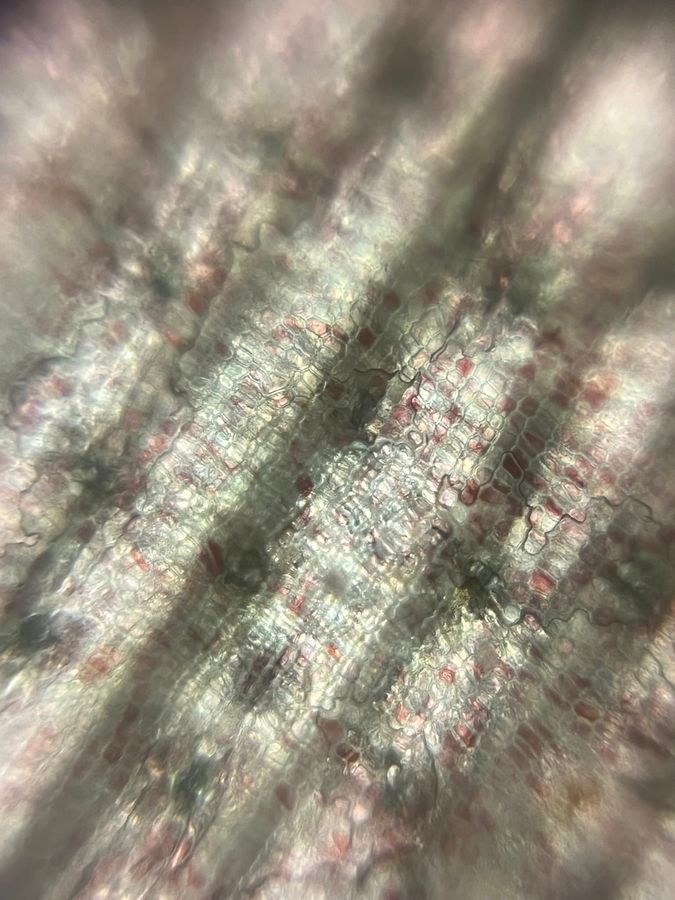
Specifically, banana blossoms contain high levels of potassium, calcium, magnesium, zinc , and various essential amino acids and antioxidants such as phenols, saponins, and tannins . These compounds contribute to cardiovascular health, kidney stone prevention, and slowing down the aging process. Banana blossoms are often sliced, soaked, and simmered with other herbal ingredients, such as mistletoe flowers, to extract maximum nutrients. Banana blossom tea is not only a delicacy but also a remedy for dizziness, heart pain, and blood circulation issues.
Sign in to commentNobody has commented yet... Share your thoughts with the author and start the discussion!
 0 Applause
 0 Comments