Pine and Apple, Pineapple
 Jun 21, 2025 • 3:06 PM UTC
 Vietnam
 50x Magnification
 Plants
Foldscope Vietnam
Foldscope Vietnam is a non-governmental organisation with the goal of universalising science, inspiring exploration, and raising awareness of global issues for young people, regardless of all socio-economic background, through Foldscope activities. Our posts are collection of speciments from the Microcosmos Vietnam Community.
7posts
3comments
2locations
View in Media Gallery
With its spiky outer skin and vibrant golden flesh, the pineapple carries the refreshing taste of the tropical summer. Each bite offers a perfect blend of light sourness and rich sweetness. It’s no exaggeration to say that pineapple is a gift from nature — not only delicious but also packed with health benefits.
In most other countries, like Spain, Germany, Finland,... pineapple is called “ananas” but in English this fruit is known as “pineapple”.
Overview
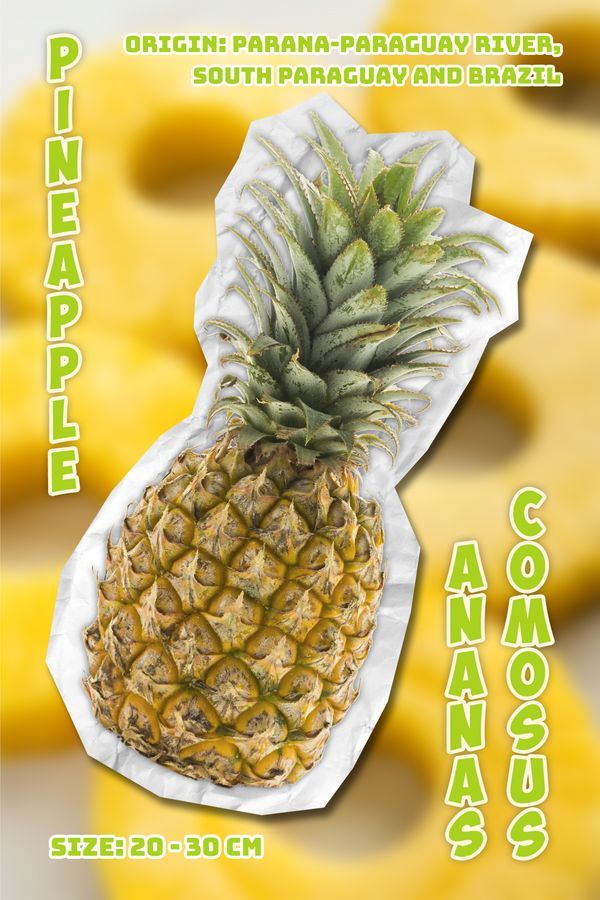
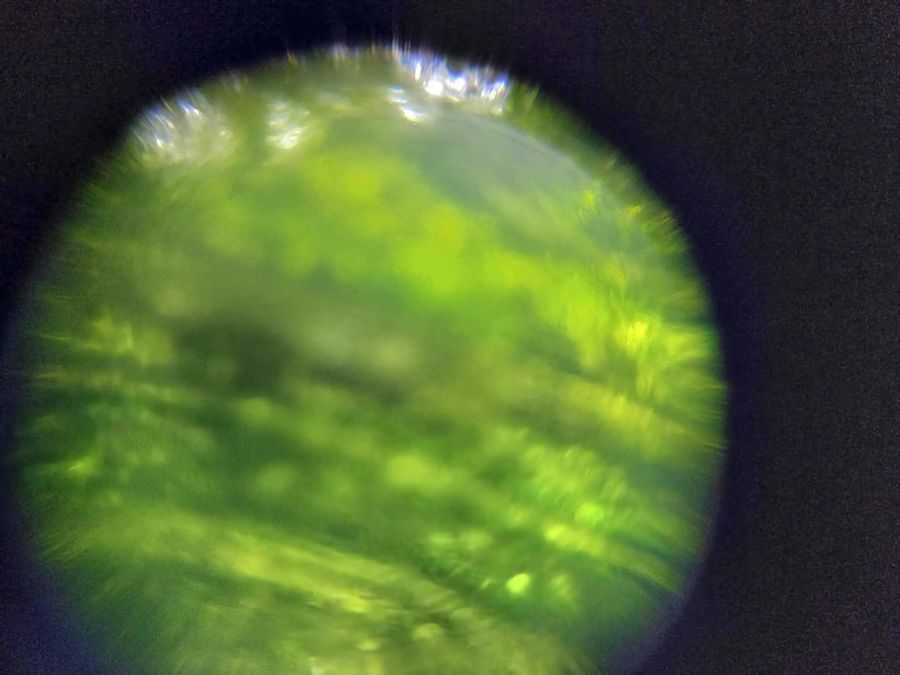
Pineapple (Ananas comosus), also known as “khóm” or “thơm” in southern Vietnam, is a tropical plant (and the only edible fruit-bearing plant) in the Bromeliaceae family, genus Ananas. Pineapple originated from the Parana-Paraguay river region in southern Paraguay and Brazil, and was cultivated by the native people across South America, Central America, and the Caribbean.
In most other countries, like Spain, Germany, Finland,... pineapple is called “ananas” but in English this fruit is known as “pineapple”.
Overview
Pineapple (Ananas comosus), also known as “khóm” or “thơm” in southern Vietnam, is a tropical plant (and the only edible fruit-bearing plant) in the Bromeliaceae family, genus Ananas. Pineapple originated from the Parana-Paraguay river region in southern Paraguay and Brazil, and was cultivated by the native people across South America, Central America, and the Caribbean.
View in Media Gallery
The name “ananas” comes from the word “nanas” of the Tupinambá people who lived in what is now Rio de Janeiro (Brazil). There are various explanations for why the English name is “pineapple” rather than “ananas,” so no definitive reason has been confirmed. One source suggests that “pineapple” came from André Thevet’s book The New Found World, or Antarctike , published in 1568 and translated into English. In it, he described “Nana made in the manner of a Pineapple” - he thought the fruit was a mix of an apple and a pine cone. By 1714, “pineapple” was officially recorded in the Oxford dictionary.
Today, pineapple is mainly grown in Central and South American countries such as Costa Rica and Brazil, with the largest global output coming from Southeast Asian nations like Indonesia, Thailand, and the Philippines.
Vietnam ranks 12th globally in pineapple production, with a total output of 705,460 tons in 2022. Pineapple-growing provinces stretch from Phu Tho to Kien Giang, mostly in the south where conditions are most suitable. The main harvest season is between April and June.
Appearance
Pineapple is a perennial tropical herbaceous plant with a short, thick stem. A mature pineapple plant reaches about 1 - 1.2 meters in height, with a broad canopy spanning 1.3 - 1.5 meters in diameter. When outer leaves are removed, the inner stem is about 20 - 30 cm long, with the top section having the largest diameter, ranging from 5.5 - 6.5 cm.
The stem is divided into nodes and internodes, each bearing dormant buds. The internodes in the middle section range from 1 - 10 cm, depending on the variety and growing conditions, with upper internodes usually longer than the lower ones. Internally, the stem is composed of an outer layer and a central core containing complex vascular systems.
Pineapple flowers are bisexual, with one bract, three thick green sepals, and three purple petals fused into a floral tube, containing six stamens and one pistil. On the fruit’s body, flowers are arranged in two spiral rows: a steep spiral with 8-10 rows and a gentler spiral with about 11 - 13 rows.
Today, pineapple is mainly grown in Central and South American countries such as Costa Rica and Brazil, with the largest global output coming from Southeast Asian nations like Indonesia, Thailand, and the Philippines.
Vietnam ranks 12th globally in pineapple production, with a total output of 705,460 tons in 2022. Pineapple-growing provinces stretch from Phu Tho to Kien Giang, mostly in the south where conditions are most suitable. The main harvest season is between April and June.
Appearance
Pineapple is a perennial tropical herbaceous plant with a short, thick stem. A mature pineapple plant reaches about 1 - 1.2 meters in height, with a broad canopy spanning 1.3 - 1.5 meters in diameter. When outer leaves are removed, the inner stem is about 20 - 30 cm long, with the top section having the largest diameter, ranging from 5.5 - 6.5 cm.
The stem is divided into nodes and internodes, each bearing dormant buds. The internodes in the middle section range from 1 - 10 cm, depending on the variety and growing conditions, with upper internodes usually longer than the lower ones. Internally, the stem is composed of an outer layer and a central core containing complex vascular systems.
Pineapple flowers are bisexual, with one bract, three thick green sepals, and three purple petals fused into a floral tube, containing six stamens and one pistil. On the fruit’s body, flowers are arranged in two spiral rows: a steep spiral with 8-10 rows and a gentler spiral with about 11 - 13 rows.
View in Media Gallery
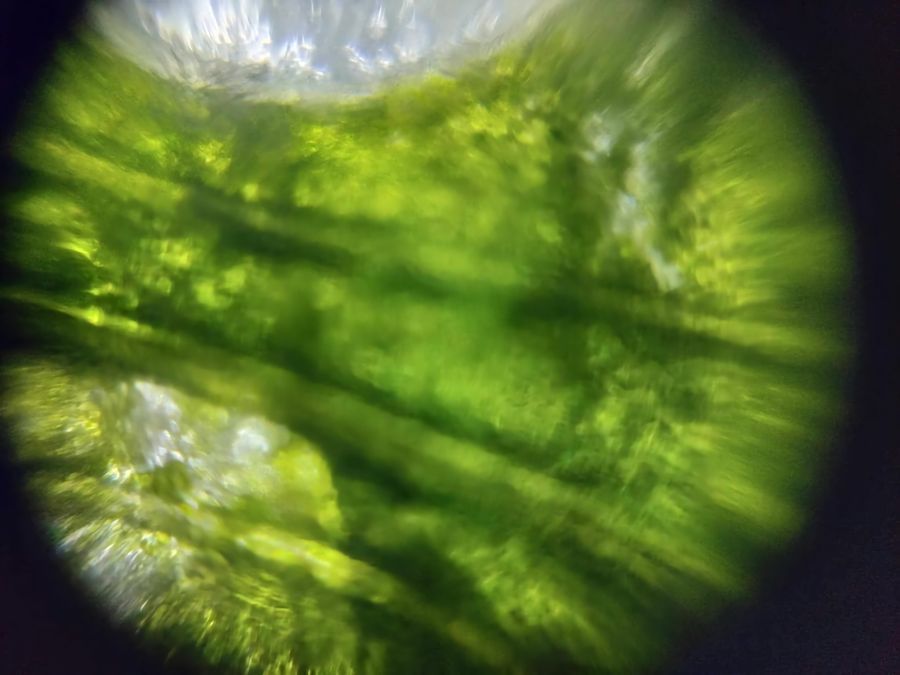
The pineapple fruit is a multiple fruit formed by the fusion of 100 - 200 small individual fruits. The cylindrical fruit has brown “eyes” on its skin, which are the remnants of fleshy sepals that have merged into small knobs and later flattened out, giving the pineapple its signature look. The fruit turns yellow or reddish-orange when ripe, with juicy, fragrant, and sweet flesh.
Biological Features
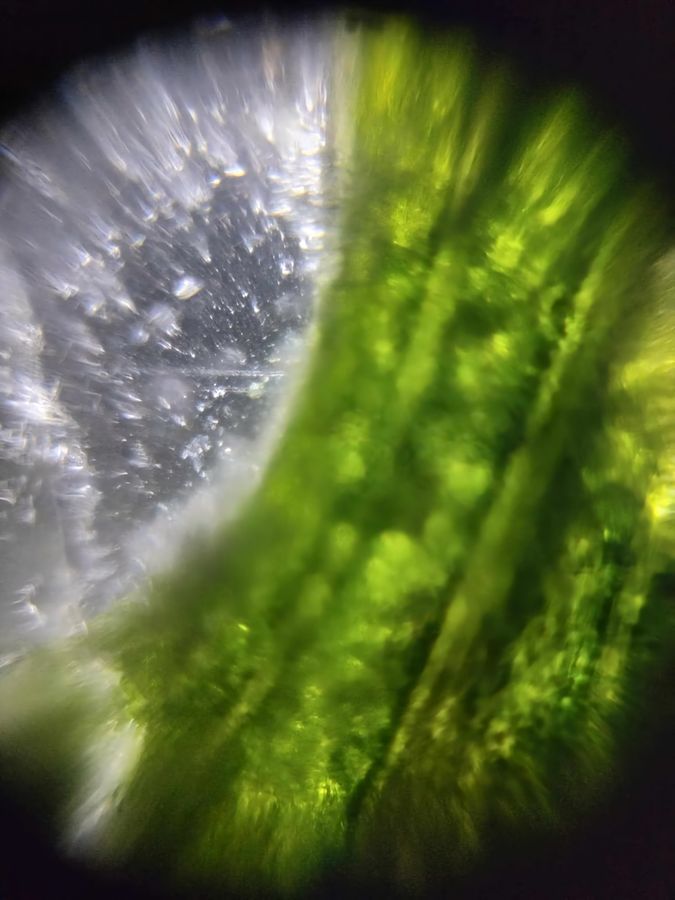
Pineapple contains the enzyme bromelain, concentrated mostly in the core — accounting for up to 50% of the fruit’s protein — with strong protein-hydrolyzing properties, similar to pepsin and papain. Per 100g, pineapple provides about 60 calories, 13g carbohydrates, 1.4g fiber, 0.5g protein, and very little fat (only about 0.5 - 0.7% protein, and 0.06-0.1% lipid). It is rich in vitamin C (about 47.8 mg, providing over 50% of daily needs), vitamin A, B6, folate, and essential minerals like potassium, calcium, iron, and manganese.
Role in the Food Chain/Environment
With its wide canopy, wild pineapple serves as a habitat for various species, contributing to biodiversity. Its shade lowers the temperature at ground level, creating suitable conditions for insects and amphibians. Being a CAM (Crassulacean Acid Metabolism) plant, pineapple uses water far more efficiently than C3 plants, requiring only about 20% of the water that typical C3 crops use. This helps reduce water loss in harsh, hot climates, allowing pineapple to thrive in dry, nutrient-poor soils, even in coastal or degraded areas, aiding land restoration.
Additionally, since pineapple is mainly pollinated by hummingbirds, it also plays a role in protecting avian biodiversity.
Biological Features
Pineapple contains the enzyme bromelain, concentrated mostly in the core — accounting for up to 50% of the fruit’s protein — with strong protein-hydrolyzing properties, similar to pepsin and papain. Per 100g, pineapple provides about 60 calories, 13g carbohydrates, 1.4g fiber, 0.5g protein, and very little fat (only about 0.5 - 0.7% protein, and 0.06-0.1% lipid). It is rich in vitamin C (about 47.8 mg, providing over 50% of daily needs), vitamin A, B6, folate, and essential minerals like potassium, calcium, iron, and manganese.
Role in the Food Chain/Environment
With its wide canopy, wild pineapple serves as a habitat for various species, contributing to biodiversity. Its shade lowers the temperature at ground level, creating suitable conditions for insects and amphibians. Being a CAM (Crassulacean Acid Metabolism) plant, pineapple uses water far more efficiently than C3 plants, requiring only about 20% of the water that typical C3 crops use. This helps reduce water loss in harsh, hot climates, allowing pineapple to thrive in dry, nutrient-poor soils, even in coastal or degraded areas, aiding land restoration.
Additionally, since pineapple is mainly pollinated by hummingbirds, it also plays a role in protecting avian biodiversity.
View in Media Gallery
Importance in Vietnam
Switching from less efficient crops like cassava and corn to pineapple on sloped and hilly lands has maximized land potential, reduced soil erosion, and mitigated environmental degradation. Pineapple grows well on many soil types, including nutrient-poor, arid, sandy coastal soils, helping to rehabilitate and improve degraded or mined lands such as those in Quang Tri province. Pineapple roots develop strong networks that anchor the soil and prevent erosion from heavy rains or strong winds on steep hills. In mined lands, pineapple increases ground cover, retains moisture, improves soil structure, and organic matter from decomposing leaves and roots helps enrich soil nutrients.
Switching from less efficient crops like cassava and corn to pineapple on sloped and hilly lands has maximized land potential, reduced soil erosion, and mitigated environmental degradation. Pineapple grows well on many soil types, including nutrient-poor, arid, sandy coastal soils, helping to rehabilitate and improve degraded or mined lands such as those in Quang Tri province. Pineapple roots develop strong networks that anchor the soil and prevent erosion from heavy rains or strong winds on steep hills. In mined lands, pineapple increases ground cover, retains moisture, improves soil structure, and organic matter from decomposing leaves and roots helps enrich soil nutrients.
Sign in to commentNobody has commented yet... Share your thoughts with the author and start the discussion!
 0 Applause
 0 Comments