All about Spathiphyllum Walisii
 Jul 31, 2025 • 9:14 AM UTC
 Vietnam
 50x Magnification
 Plants
Foldscope Vietnam
Foldscope Vietnam is a non-governmental organisation with the goal of universalising science, inspiring exploration, and raising awareness of global issues for young people, regardless of all socio-economic background, through Foldscope activities. Our posts are collection of speciments from the Microcosmos Vietnam Community.
7posts
3comments
2locations
View in Media Gallery
Graceful and pure - the Peace Lily not only impresses with its elegant appearance but is also known as one of the ornamental plants that bring many health benefits to humans. With its effective air-purifying ability, the Peace Lily has increasingly become a popular choice for modern living and working spaces.
View in Media Gallery
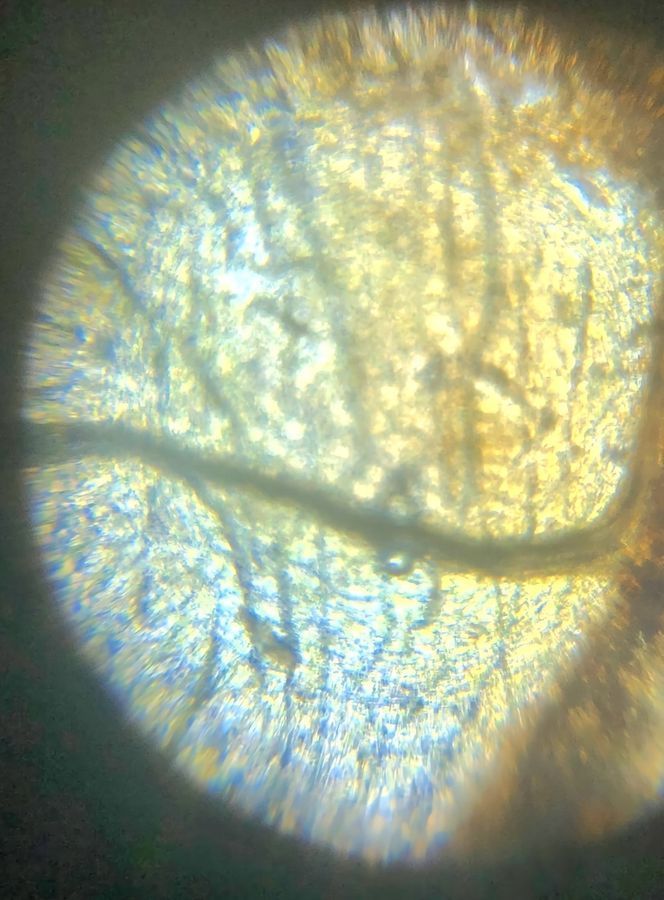
Spathe
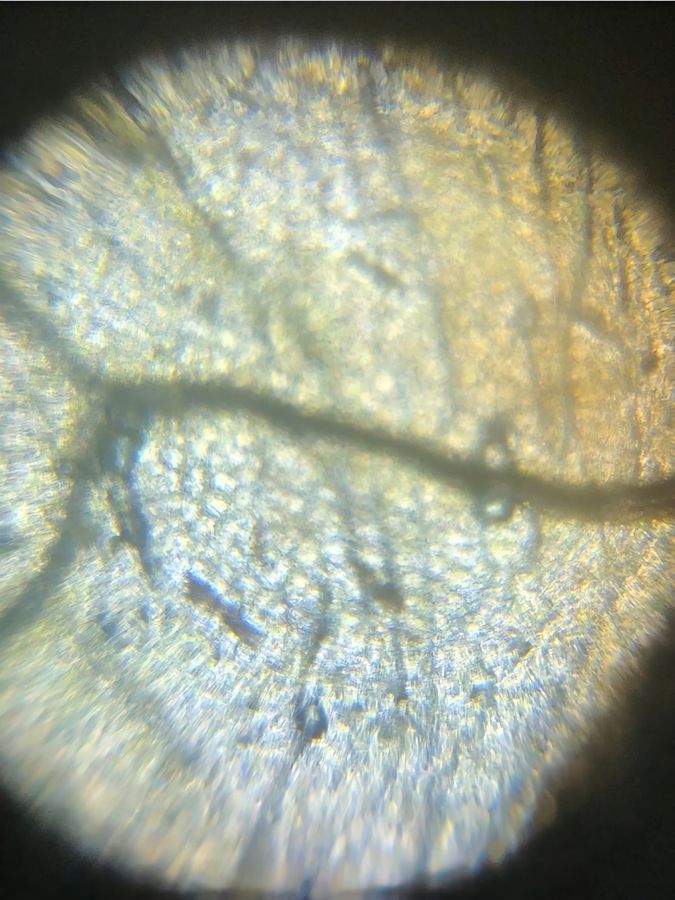
The dark-colored streaks and veins of the spathe branch out into tiny, delicate lines. The light orange spot in the upper corner is formed from the pigments of the cells.
The dark-colored streaks and veins of the spathe branch out into tiny, delicate lines. The light orange spot in the upper corner is formed from the pigments of the cells.
View in Media Gallery
Overview
In addition to the name we commonly use, the Peace Lily also goes by two other graceful Vietnamese names: "Bạch Môn" and "Huệ Hòa Bình." In English, it is known by four names: Spathe Flower, Peace Lily, Cobra Plant, and White Sails. In scientific research, its name is always Spathiphyllum wallisii, belonging to the Araceae (Arum) family.
It is related to other shade-loving plants such as Taro (Colocasia) and Dumb Cane (Dieffenbachia). It belongs to the Spathiphyllum genus and originates from the tropical forests of the Americas, particularly Central and South America.
The scientific name Spathiphyllum is derived from Greek, where “spathe” means flower bract and “phyllon” means leaf. This name reflects the plant’s characteristic: a large, leaf-like spathe that surrounds a cluster of tiny flowers in the center. The English name “Peace Lily” reflects its pure white flowers, resembling a symbol of peace and purity. Although its English name includes “Lily,” the Peace Lily does not belong to the true Lily family (Liliaceae) but to the Arum family (Araceae). It is popular thanks to its air-purifying properties and ease of indoor cultivation.
In addition to the name we commonly use, the Peace Lily also goes by two other graceful Vietnamese names: "Bạch Môn" and "Huệ Hòa Bình." In English, it is known by four names: Spathe Flower, Peace Lily, Cobra Plant, and White Sails. In scientific research, its name is always Spathiphyllum wallisii, belonging to the Araceae (Arum) family.
It is related to other shade-loving plants such as Taro (Colocasia) and Dumb Cane (Dieffenbachia). It belongs to the Spathiphyllum genus and originates from the tropical forests of the Americas, particularly Central and South America.
The scientific name Spathiphyllum is derived from Greek, where “spathe” means flower bract and “phyllon” means leaf. This name reflects the plant’s characteristic: a large, leaf-like spathe that surrounds a cluster of tiny flowers in the center. The English name “Peace Lily” reflects its pure white flowers, resembling a symbol of peace and purity. Although its English name includes “Lily,” the Peace Lily does not belong to the true Lily family (Liliaceae) but to the Arum family (Araceae). It is popular thanks to its air-purifying properties and ease of indoor cultivation.
View in Media Gallery
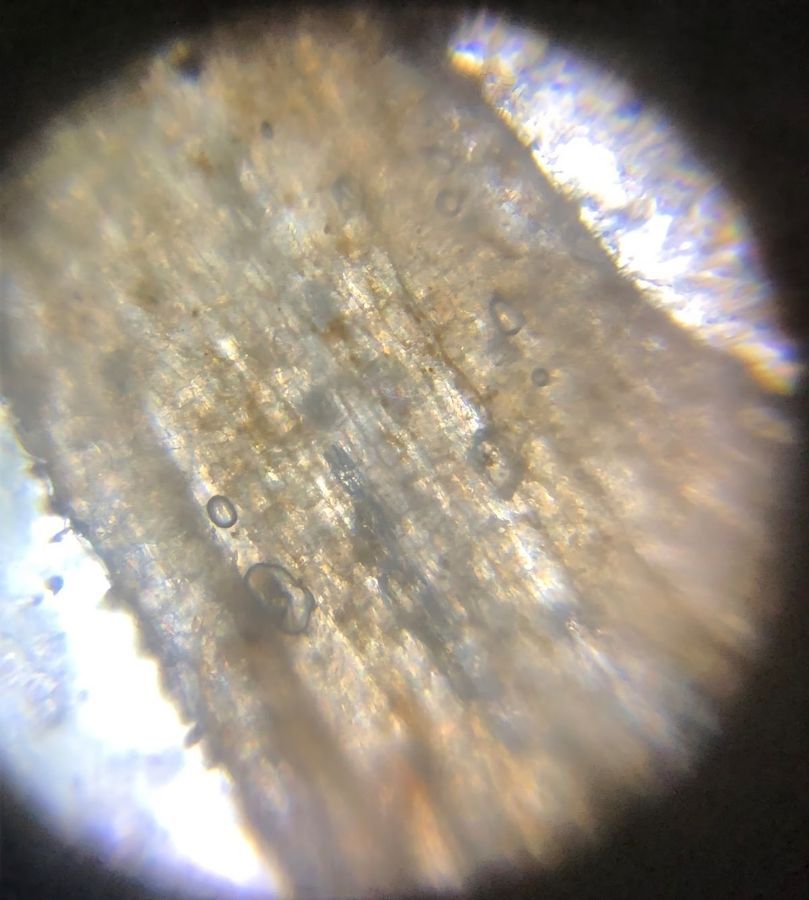
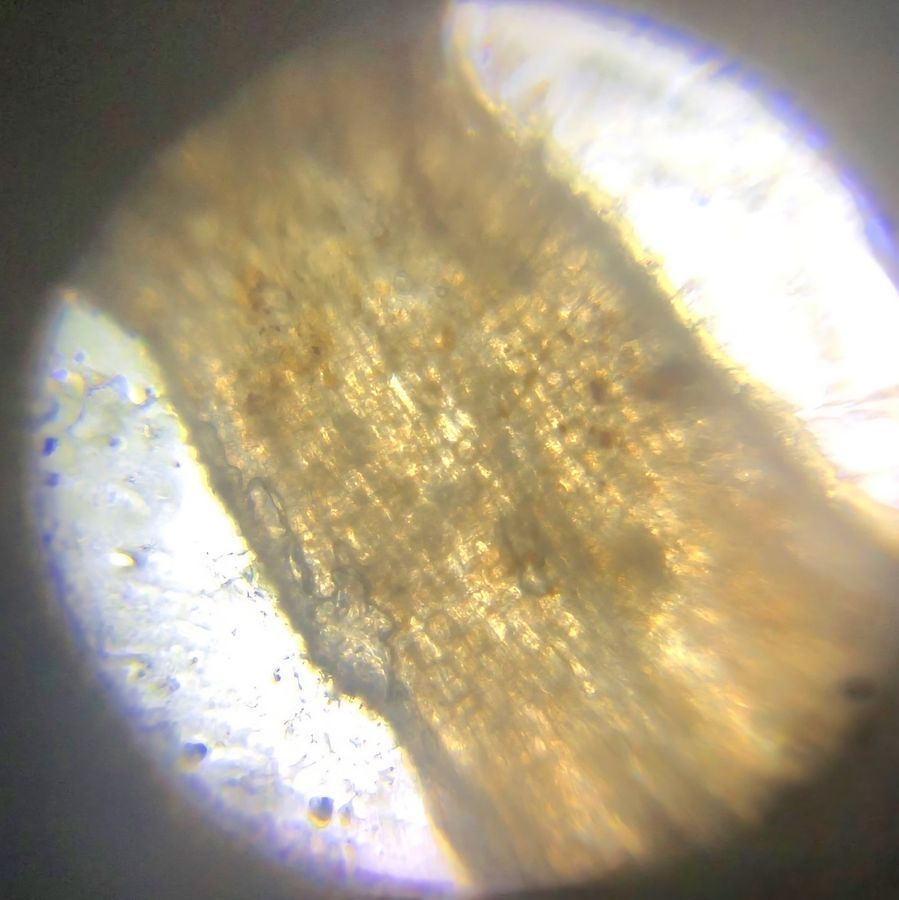
Root
The root cells are rectangular and tightly packed like bricks. The vascular bundle of the root lies at the center, clearly visible as a dark band running through the middle.
The root cells are rectangular and tightly packed like bricks. The vascular bundle of the root lies at the center, clearly visible as a dark band running through the middle.
View in Media Gallery
Introduction
The Peace Lily (Spathiphyllum) originates from the tropical forests of Central America, South America, and Southeast Asia - regions characterized by hot and humid climates. In nature, some wild Peace Lily species are found in Colombia, Venezuela, and Malaysia. From these native regions, the plant has been propagated and introduced worldwide as an ornamental plant for indoor and outdoor use.
The Peace Lily thrives not only in its natural habitat but is also widely favored for indoor planting due to its air-purifying capabilities, shade tolerance, and elegant appearance. In many countries such as the U.S., Japan, Australia, and Vietnam, especially in southern provinces and major cities - Peace Lilies are commonly used as houseplants or grown in shaded garden spaces.
Biological Characteristics
Spathiphyllum wallisii is a perennial herbaceous plant belonging to the Araceae (Arum) family, originating from Central America, especially Colombia and Venezuela. Among the Spathiphyllum genus, this is the most commonly cultivated species as an ornamental houseplant thanks to its graceful form and strong adaptability to low light conditions.
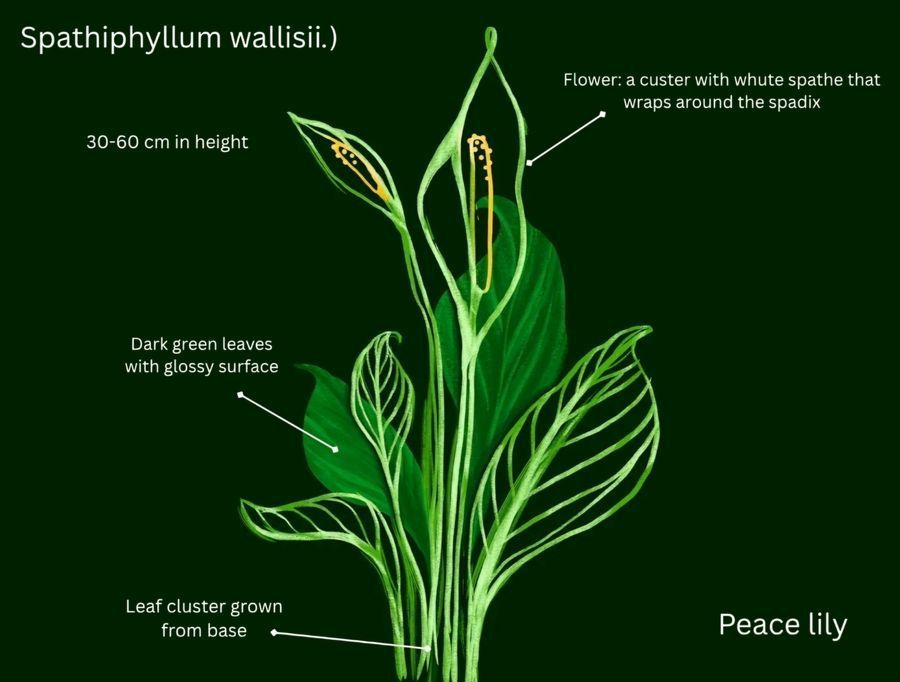
The plant has a clump of basal leaves, shaped like a lance, deep green in color, and glossy on the surface. Its standout feature is the flower cluster consisting of a white spathe that surrounds a spadix - the central floral spike - which is ivory or pale yellow. The spathe resembles a single petal, giving the plant its signature look. The average height ranges from 30 - 60 cm but can vary depending on the cultivar and care conditions.
The Peace Lily grows well in loose, organic-rich soil that retains moisture but also drains well. It is mainly propagated by dividing mature clumps. This plant is particularly suited to indoor or office environments due to its shade-loving nature and aversion to direct sunlight.
The Peace Lily (Spathiphyllum) originates from the tropical forests of Central America, South America, and Southeast Asia - regions characterized by hot and humid climates. In nature, some wild Peace Lily species are found in Colombia, Venezuela, and Malaysia. From these native regions, the plant has been propagated and introduced worldwide as an ornamental plant for indoor and outdoor use.
The Peace Lily thrives not only in its natural habitat but is also widely favored for indoor planting due to its air-purifying capabilities, shade tolerance, and elegant appearance. In many countries such as the U.S., Japan, Australia, and Vietnam, especially in southern provinces and major cities - Peace Lilies are commonly used as houseplants or grown in shaded garden spaces.
Biological Characteristics
Spathiphyllum wallisii is a perennial herbaceous plant belonging to the Araceae (Arum) family, originating from Central America, especially Colombia and Venezuela. Among the Spathiphyllum genus, this is the most commonly cultivated species as an ornamental houseplant thanks to its graceful form and strong adaptability to low light conditions.
The plant has a clump of basal leaves, shaped like a lance, deep green in color, and glossy on the surface. Its standout feature is the flower cluster consisting of a white spathe that surrounds a spadix - the central floral spike - which is ivory or pale yellow. The spathe resembles a single petal, giving the plant its signature look. The average height ranges from 30 - 60 cm but can vary depending on the cultivar and care conditions.
The Peace Lily grows well in loose, organic-rich soil that retains moisture but also drains well. It is mainly propagated by dividing mature clumps. This plant is particularly suited to indoor or office environments due to its shade-loving nature and aversion to direct sunlight.
View in Media Gallery
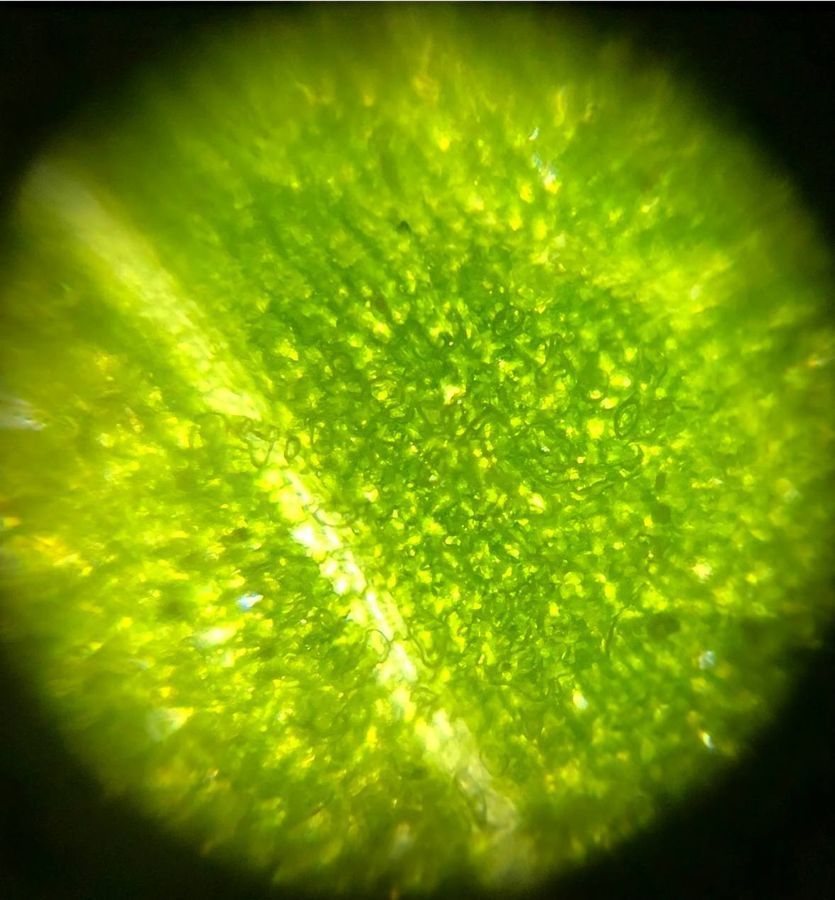
Leaf
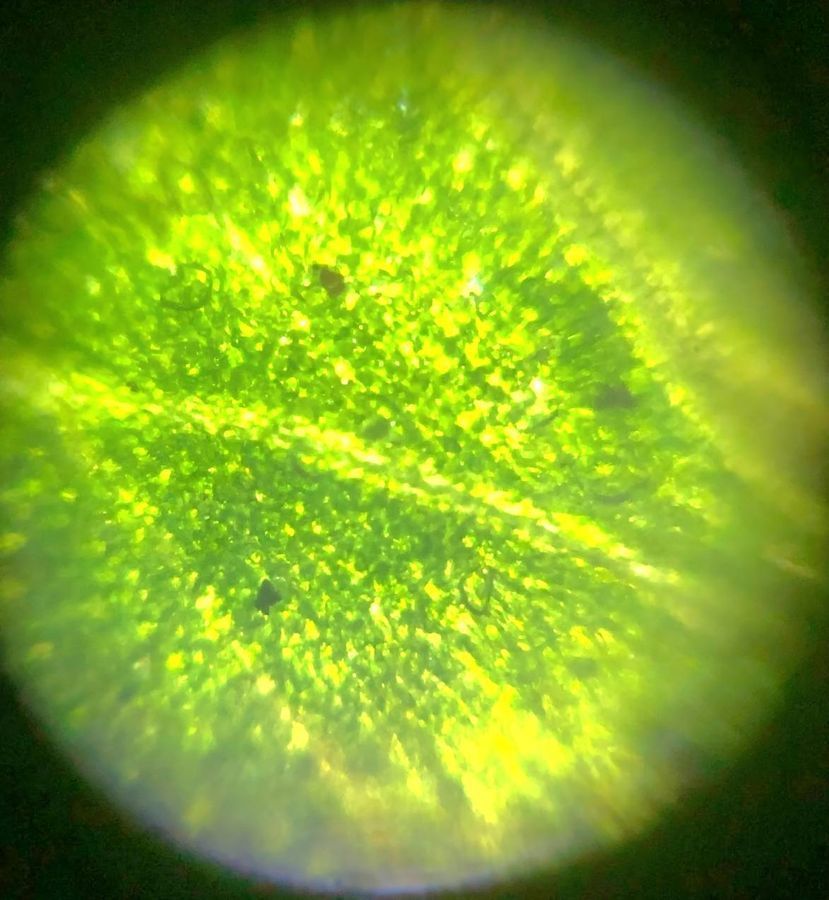
Looking closely, we can see pale-colored bands (caused by lower chloroplast density) branching out - these are the leaf veins, which serve as channels to transport water and nutrients to the leaf cells. The leaf cells are round and rich in chloroplasts, giving the peace lily its deep green color.
Looking closely, we can see pale-colored bands (caused by lower chloroplast density) branching out - these are the leaf veins, which serve as channels to transport water and nutrients to the leaf cells. The leaf cells are round and rich in chloroplasts, giving the peace lily its deep green color.
View in Media Gallery
Beyond its visual appeal, the Peace Lily is renowned for its air-purifying abilities. According to NASA research, it can absorb volatile organic compounds such as formaldehyde, benzene, and trichloroethylene - substances commonly released in modern living environments from building materials, wall paints, and electronic devices. Its air-cleaning mechanism not only relies on stomatal absorption but also involves synergistic action between its roots and symbiotic soil microorganisms that break down pollutants into less harmful compounds. Thanks to this property, the plant not only improves indoor air quality but also contributes to creating a cleaner and healthier living space.
Significance in Vietnam
In Vietnam, the Peace Lily is not only a popular ornamental plant for homes and offices but is also highly valued for its environmental benefits. With its ability to thrive in low light and humid conditions, the Peace Lily is well-suited to the country’s tropical climate. It is often used as a green solution in modern architectural projects such as urban areas, schools, and hospitals to reduce fine dust and improve air quality.
Significance in Vietnam
In Vietnam, the Peace Lily is not only a popular ornamental plant for homes and offices but is also highly valued for its environmental benefits. With its ability to thrive in low light and humid conditions, the Peace Lily is well-suited to the country’s tropical climate. It is often used as a green solution in modern architectural projects such as urban areas, schools, and hospitals to reduce fine dust and improve air quality.
Sign in to commentNobody has commented yet... Share your thoughts with the author and start the discussion!
 0 Applause
 0 Comments