#LG-AUP 2026 Week-3 Day Three (Observations on 3 June 2026) Part 1 - Tomato
 Jun 03, 2026 • 4:48 PM UTC
 India
India 140x Magnification
 Plants
Vismay Anup
Currently studying at Shiv Nadar School, Noida, Vismay Anup is an amateur observer and an aspiring political analyst and international relations consultant. He loves learning about and studying all sorts of organisms- whether it be microbial or not. Though starting slowly, he is excited to observe as much as possible and learn from others' findings as well. If given free rein, Vismay would be found in one of 6 places: His room, the library, the bookshop, the airport, the zoo, and the nearest bio lab.
7posts
3comments
0locations
View in Media Gallery
Hello Everyone! In today's group of blog posts, I will be sharing my observations of the specimens I observed on Day 3 of Exploring the Microcosm at LG-AUP26. At the end, I will also share the challenges I faced today.
As I entered the classroom today, the feeling of nervous anticipation was replaced with simple joy and excitement. Our instructor had already told us that we would be working with pollen grains, and I was super excited to observe the different types of pollen grains and their differences. But first, we started work with tomatoes. My observations of the same were:
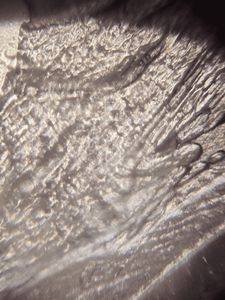
Tomato Peel
50x
Cells were very tiny, forming large groups and clusters, giving the peel an almost hive-like appearance.
Most cells were yellowish in colour.
Slight discolouration was observed in certain groups of cells.
As I entered the classroom today, the feeling of nervous anticipation was replaced with simple joy and excitement. Our instructor had already told us that we would be working with pollen grains, and I was super excited to observe the different types of pollen grains and their differences. But first, we started work with tomatoes. My observations of the same were:
Tomato Peel
50x
Cells were very tiny, forming large groups and clusters, giving the peel an almost hive-like appearance.
Most cells were yellowish in colour.
Slight discolouration was observed in certain groups of cells.

View in Media Gallery
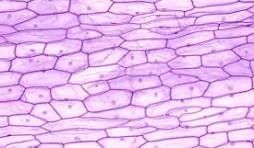
140x
The cells are irregularly shaped.
Certain mis-colourations of specific cells were observed
In certain bigger cells, vacuoles, nuclei or other organelles were partially visible
The cells are irregularly shaped.
Certain mis-colourations of specific cells were observed
In certain bigger cells, vacuoles, nuclei or other organelles were partially visible

View in Media Gallery
340x
Cells were greatly magnified
Shapes were almost grain-like
The cell walls were quite thin, and there was no gap between cells(very loose)
Cells were greatly magnified
Shapes were almost grain-like
The cell walls were quite thin, and there was no gap between cells(very loose)

View in Media Gallery
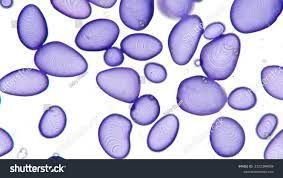
Tomato Flesh
50x
Cells were quite big and elliptical, but they were almost completely transparent
Some cells were overlapping
Some organelles or vacuoles were also visible in the cells
50x
Cells were quite big and elliptical, but they were almost completely transparent
Some cells were overlapping
Some organelles or vacuoles were also visible in the cells

View in Media Gallery
140x
Single transparent cells were visible and observed
A wavy organelle (perhaps reticulum) was observed
Orange/Red pigmented lines were also observed at the bottom left areas of the cell (but photographs couldn't capture the colour properly, thus may not be visible at first)
Single transparent cells were visible and observed
A wavy organelle (perhaps reticulum) was observed
Orange/Red pigmented lines were also observed at the bottom left areas of the cell (but photographs couldn't capture the colour properly, thus may not be visible at first)

View in Media Gallery
340x
Observed the same single cell again, but with more detail
Orange pigments were. more clearly observable
Cell walls were very thin and almost completely transparent
A little bit of movement was also observed
Observed the same single cell again, but with more detail
Orange pigments were. more clearly observable
Cell walls were very thin and almost completely transparent
A little bit of movement was also observed

View in Media Gallery
I was especially interested in observing the flesh cells as they looked so cool and transparent. Organelles and the pigments were also visible, which piqued my interest even more.
After this, we proceeded to observe two different types of pollen grains and noted their differences, which I will share about in my next post. Until then, thanks for observing!
After this, we proceeded to observe two different types of pollen grains and noted their differences, which I will share about in my next post. Until then, thanks for observing!
Sign in to commentNobody has commented yet... Share your thoughts with the author and start the discussion!

 0 Applause
 0 Comments
_300x300.jpeg)