To check that the black dust on Onion is Fungus
 Apr 25, 2025 • 5:26 PM UTC
 India
India 140x Magnification
 Fungi
Fungi
Dr. Anupma Harshal
Foldscope A tool to teach Antimicrobial Resistance, a woman in STEM who travels pan India to the remotest corners of the country to help students the torch bearers of tomorrow to know more about AMR.
65posts
94comments
10locations
View in Media Gallery
Day 3-9th April 2025
School-Loyola PU College
Host-St.Josephs University
Number-65
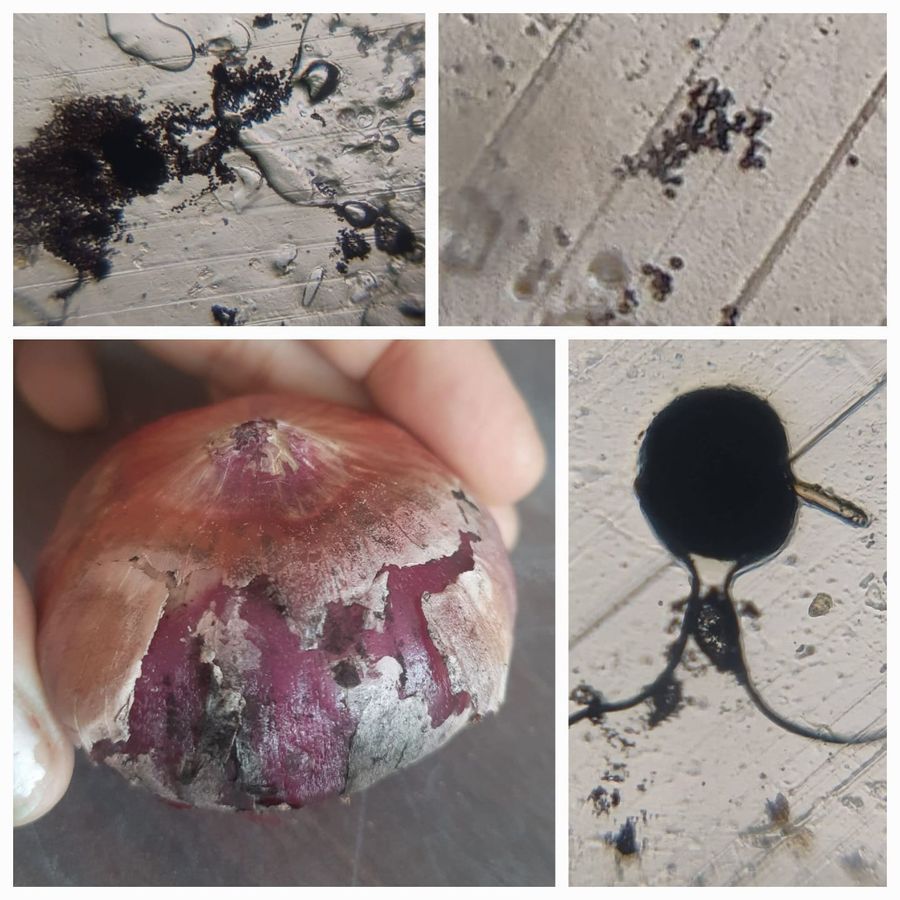
Day 3 and everyone was wondering what are we going to explore. Armed with a Foldscope, we set out to observe and analyze the mysterious substance on the onion that looked black. Here we share the findings, complete with images and insights gained from our investigation.
Initial Observation- Some preliminary observation with the with the naked eye, noticing a peculiar black dust or spots on its surface.
School-Loyola PU College
Host-St.Josephs University
Number-65
Day 3 and everyone was wondering what are we going to explore. Armed with a Foldscope, we set out to observe and analyze the mysterious substance on the onion that looked black. Here we share the findings, complete with images and insights gained from our investigation.
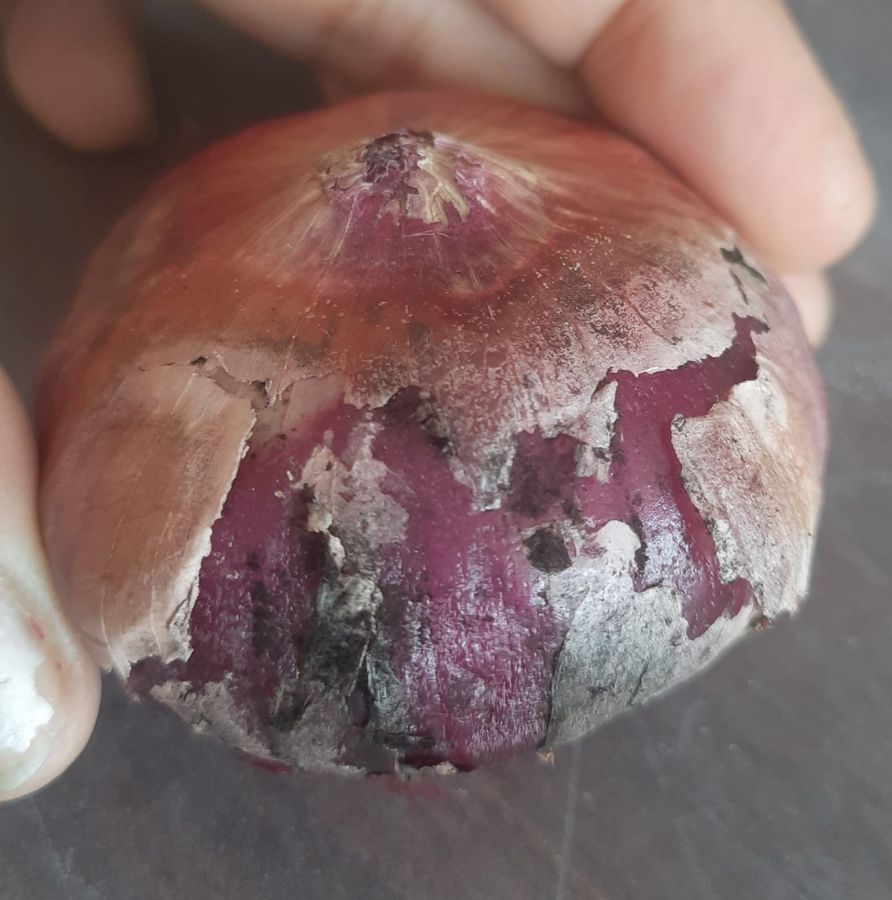
Initial Observation- Some preliminary observation with the with the naked eye, noticing a peculiar black dust or spots on its surface.
View in Media Gallery
Fig1: Black spots on onion.
Intrigued, we decided to take a closer look and we found the following:
Black spores: Small, dark-colored spores that seemed to be clustered together.
Intrigued, we decided to take a closer look and we found the following:
Black spores: Small, dark-colored spores that seemed to be clustered together.


Fig 2: Black spores under Foldscope at 140X Filaments: A few thin, thread-like structures that might be indicative of fungal growth. Fruiting body: A structure that resembled a fruiting body, which is a characteristic feature of fungi.

View in Media Gallery
Fig 3-Filaments and a fruiting body
To gain a better understanding of what we was observing, we compared the images to Google images of various fungi to narrow down the possibilities and consider the possible matches..
To gain a better understanding of what we was observing, we compared the images to Google images of various fungi to narrow down the possibilities and consider the possible matches..


Leads & Insights -Based on the comparisons, we hypothesized that the black dust on the onion might indeed be a fungal growth. Some potential fungal species that we came across include:
Aspergillus spp.: Common contaminants on food products, including onions, that can produce black spores. Penicillium spp.: Fungi that can infect onions and produce black or greenish-black spores. Botrytis spp.: Fungi that can cause leaf blight and neck rot on onions, producing black, powdery spores. Conclusion -While our observations provides strong evidence for the presence of a fungus on the onion, a definitive identification would require further testing and expertise. Future directions for this investigation could include:
Isolating the fungus: Attempting to isolate the fungus from the onion and grow it in a controlled environment. pH testing: Measuring the pH of the onion and surrounding environment to determine if it matches the optimal range for fungal growth. Consulting experts & exploring our surroundings for any more such growth and investigating the same. We hope you liked what we did, we surely enjoyed this process of turning into investigators to explore this black dust problem on onion. Thanks St. Josephs University u lead the way doing outreach by taking a frugal science tool to their own PU Colleges helping knit the students in the larger frame so they ask questions, build their own investigations and more. This was a mixed cohort so even students from Computer Science were in this to explore and design. Special thanks to Mithra Madappa and Debarati Chattopadhyaya the endevour has been initiated by them and their team at the University with the support of students.
Aspergillus spp.: Common contaminants on food products, including onions, that can produce black spores. Penicillium spp.: Fungi that can infect onions and produce black or greenish-black spores. Botrytis spp.: Fungi that can cause leaf blight and neck rot on onions, producing black, powdery spores. Conclusion -While our observations provides strong evidence for the presence of a fungus on the onion, a definitive identification would require further testing and expertise. Future directions for this investigation could include:
Isolating the fungus: Attempting to isolate the fungus from the onion and grow it in a controlled environment. pH testing: Measuring the pH of the onion and surrounding environment to determine if it matches the optimal range for fungal growth. Consulting experts & exploring our surroundings for any more such growth and investigating the same. We hope you liked what we did, we surely enjoyed this process of turning into investigators to explore this black dust problem on onion. Thanks St. Josephs University u lead the way doing outreach by taking a frugal science tool to their own PU Colleges helping knit the students in the larger frame so they ask questions, build their own investigations and more. This was a mixed cohort so even students from Computer Science were in this to explore and design. Special thanks to Mithra Madappa and Debarati Chattopadhyaya the endevour has been initiated by them and their team at the University with the support of students.
Sign in to commentNobody has commented yet... Share your thoughts with the author and start the discussion!

 0 Applause
 0 Comments


_300x300.jpeg)
_300x300.jpeg)


_300x300.jpeg)